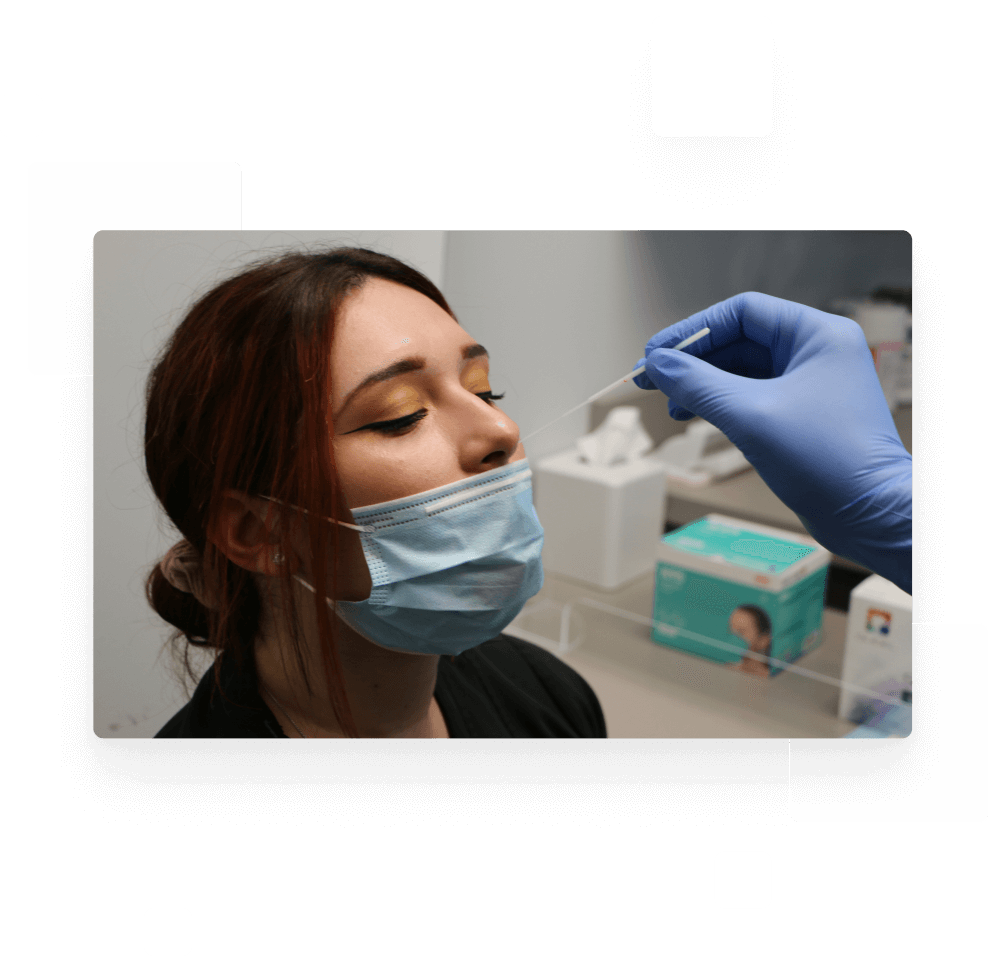
When a health issue pops up at night or on the weekend, you don’t have time to decode the system. You just need the right care, fast. This guide to after-hours care shows you exactly where to go, how to decide between telehealth, urgent care, and the ER, and what to expect for wait times, costs, and insurance. You’ll get practical steps for preparing ahead, plus clear red flags that mean 911 now. Keep this handy so you can act quickly, and confidently, when clinics are closed.
What After-Hours Care Means And When It’s Available
After-hours care covers medical help outside typical office hours, usually evenings, nights, weekends, and holidays, when your primary care clinic isn’t open. It’s designed to treat urgent, non-life-threatening issues and to help you triage symptoms safely until you can follow up with your regular doctor.
Common Health Needs Addressed After Hours
- Fevers, sore throats, ear pain, sinus and respiratory infections
- Sprains, minor fractures, simple cuts that may need stitches
- Urinary tract infections, abdominal pain that isn’t severe
- Rashes, hives, minor allergic reactions without breathing trouble
- Pink eye, mild eye irritation, small foreign bodies
- Medication refills for essential maintenance meds when you’ve run short (case-by-case)
Typical Hours, Access Points, And Limitations
- Access points: telehealth/video visits, nurse advice lines, urgent care centers, retail clinics (inside pharmacies), select hospital-based clinics, and some home-visit services.
- Hours: many urgent cares run 8 a.m.–8 p.m. or later: some until 10 p.m. or 24/7. Retail clinics often cover evenings and weekends. Telehealth is increasingly 24/7.
- Limitations: imaging beyond X-ray (like CT/MRI), complex procedures, severe dehydration requiring IV admission, and high-risk chest pain generally require an ER. After-hours sites may have reduced staffing or diagnostics: always call ahead or check online capabilities.
Deciding Where To Go: After-Hours Clinic, Urgent Care, ER, Or 911
Choosing right saves time, money, and stress. Match your symptoms to the safest level of care first, and don’t hesitate to escalate if things worsen.
Red Flags That Require The Emergency Room Or 911
Call 911 or go to the ER immediately for:
- Chest pain, pressure, or shortness of breath: possible stroke signs (face droop, arm weakness, speech trouble)
- Severe allergic reaction with swelling of tongue/lips or trouble breathing
- Heavy, uncontrolled bleeding: deep or gaping wounds
- Severe head injury, confusion, fainting, seizures
- Sudden severe abdominal pain, especially with fever or vomiting blood/black stools
- Possible broken bone with deformity, or severe burns
- Pregnancy-related emergencies: heavy bleeding, severe abdominal pain, decreased fetal movement
Situations Suited To Urgent Care Or Retail Clinics
- Urgent care: sprains/strains, minor fractures or dislocations, simple laceration repair, ear infections, strep tests, X-rays, IV fluids for mild dehydration, asthma flare needing nebulizer, UTIs.
- Retail clinics: quick visits for sore throat, pink eye, uncomplicated UTIs (adults), mild rashes, vaccines, and some rapid tests. Care is fast and lower cost but more limited: complex cases are referred on.
When Telehealth Or Nurse Advice Lines Are The Best First Step
- Telehealth is great for most respiratory symptoms, rashes, GI upsets, med refills, travel questions, and triage. Many platforms can e-prescribe non-controlled meds and order labs/imaging.
- Nurse advice lines help you decide if you can safely manage at home, schedule a next-day visit, or need in-person care now.
- Use virtual care first when you’re unsure. If in doubt, providers can escalate you to urgent care or ER.
Your After-Hours Care Options Explained
Telehealth (Video/Phone): Speed, Scope, And Prescriptions
- Speed: often immediate or within 15–30 minutes. Great for late-night concerns.
- Scope: triage, common infections, mild skin issues, medication guidance, mental health check-ins. Clinicians can assess visual signs on video and decide if you need in-person care.
- Prescriptions: e-prescribing to your pharmacy for many conditions. Controlled substances and antibiotics are at the clinician’s discretion and may require in-person evaluation.
- Best for: convenience, quick reassurance, and directing you to the right next step.
Urgent Care Centers: On-Site Testing And Procedures
- Capabilities: X-rays, rapid labs (strep, flu, COVID), urinalysis, basic blood work, stitches, splinting, nebulizers, some IV fluids.
- Turnaround: many visits done in under an hour, though peak times can run longer.
- Best for: minor injuries, moderate infections, and problems that need hands-on evaluation.
Retail Clinics And Pharmacies: Quick, Limited-Scope Care
- Capabilities: simple exams, vaccines, rapid strep/flu/COVID tests, basic prescriptions.
- Limits: no X-rays, limited procedures: kids under 2 or complex conditions may be referred elsewhere.
- Best for: straightforward, low-acuity problems when you want in-and-out care.
Home And Mobile Visits: Convenience With Caveats
- Benefits: stay home, avoid germ exposure, helpful for mobility limits or child care needs.
- Capabilities vary: some can do exams, basic labs, IV fluids, and COVID/flu tests.
- Caveats: geographic availability, variable insurance coverage, and possible higher fees than clinic-based options.
What To Expect: Wait Times, Costs, And Insurance
Average Waits And How To Shorten Them
- Telehealth: often <30 minutes. Tip: complete intake forms and photo uploads before the visit.
- Urgent care: 20–60 minutes on average: evenings/weekends can surge. Tip: check live wait times online and hold your spot.
- Retail clinics: 10–30 minutes, but fewer services. Tip: book an online timeslot.
- ER: variable: life-threatening cases go first. Tip: only choose ER for true emergencies to avoid long waits and high bills.
Typical Costs, Copays, And Surprise Bill Avoidance
- Telehealth: lowest out-of-pocket for many plans: sometimes a flat virtual visit copay.
- Urgent care: mid-range costs: lower than ER. Ask about cash-pay discounts if uninsured.
- ER: highest costs and facility fees.
- Avoid surprises: verify in-network status, ask for an estimate, and request generic meds when appropriate. If imaging or labs are ordered, confirm where they’ll be performed and billed.
Insurance Networks, Prior Authorization, And Referrals
- Networks: choose in-network clinics for the best rates. Many urgent cares and telehealth platforms partner with major insurers.
- Prior auth: rarely needed for urgent visits, but some advanced imaging or specialty meds may require it. Your clinician can help initiate if urgent.
- Referrals: after-hours clinicians can document the visit and refer you to specialists or your primary care for follow-up.
How To Prepare Before You Need After-Hours Care
Create A Personal Health Snapshot And Medication List
- Keep a one-page summary: conditions, surgeries, allergies, vaccinations, your preferred pharmacy, and emergency contacts.
- List all medications and supplements: name, dose, schedule, and who prescribed them. Note any recent antibiotic or steroid use.
Save Contacts And Set Up Digital Tools In Advance
- Save your insurer’s nurse line, your preferred urgent care, and nearby 24-hour pharmacies.
- Set up patient portals and telehealth accounts now so you’re not fumbling with logins at midnight.
- Enable pharmacy text alerts and eRx preferences for faster pickups.
Pack A Basic Home Care Kit And Emergency Info
- Essentials: thermometer, blood pressure cuff (if you have hypertension), pulse oximeter (for lung/heart conditions), bandages, saline, antihistamines, acetaminophen/ibuprofen (if safe for you), oral rehydration packets.
- Keep insurance cards, ID photos, and a digital copy of your health snapshot on your phone.
Special Situations: Kids, Older Adults, And Mental Health
Children: Fevers, Rashes, And When To Seek Urgent Help
- Fevers: in babies under 3 months, any fever ≥100.4°F (38°C) is an ER evaluation. For older kids, focus on behavior, hydration, breathing effort, and rash.
- Go now if: labored breathing, blue lips, severe lethargy, dehydration (no tears, dry mouth, minimal urine), stiff neck, or rapidly spreading rash.
- Many pediatric urgent cares offer same-day X-rays, breathing treatments, and strep/flu testing.
Older Adults And Chronic Conditions: Higher-Risk Signs
- Watch for: sudden confusion, weakness, chest pain, shortness of breath, uncontrolled blood sugars, falls with head hit, or worsening swelling.
- Lower thresholds for in-person care due to higher complication risks. Bring medication lists and recent vitals if available.
Mental Health And Substance Use Crises: 988 And Rapid Support
- If you or someone you’re with is at immediate risk of self-harm or harm to others, call 911.
- For urgent mental health support, call or text 988 for the Suicide & Crisis Lifeline, available 24/7. They can connect you to local resources and mobile crisis teams.
- Many telehealth services offer same-day behavioral health visits for anxiety spikes, panic, or medication questions.
Safety, Privacy, And Follow-Up
Sharing Records, E-Prescriptions, And Test Results
- Ask your clinician to share visit notes and e-prescriptions with your primary care office. Many systems do this automatically via health information exchanges.
- Keep your own copy of discharge instructions and test results in your patient portal for easy reference.
Coordinating Next-Day Follow-Up With Your Primary Care
- After urgent visits, schedule follow-up within 24–72 hours if symptoms persist or you started a new medication.
- If you were told to return for a recheck (e.g., wound, asthma flare, blood pressure), set the appointment before you leave or as soon as portals open.
Protecting Your Data During Virtual Visits
- Use a private Wi‑Fi network, updated apps, and secure patient portals.
- Confirm the telehealth platform is HIPAA-compliant and avoid discussing sensitive details over unsecured email or text.
Conclusion
After-hours care doesn’t have to be confusing. Use telehealth or nurse lines first for quick triage, choose urgent care for hands-on needs that aren’t life-threatening, and reserve the ER for true emergencies. Prepare now with a simple health snapshot, saved contacts, and a stocked home kit so you can act fast when symptoms strike. When every minute feels longer at night or on a weekend, a clear plan, and the right level of care, helps you get better, faster, and safely.