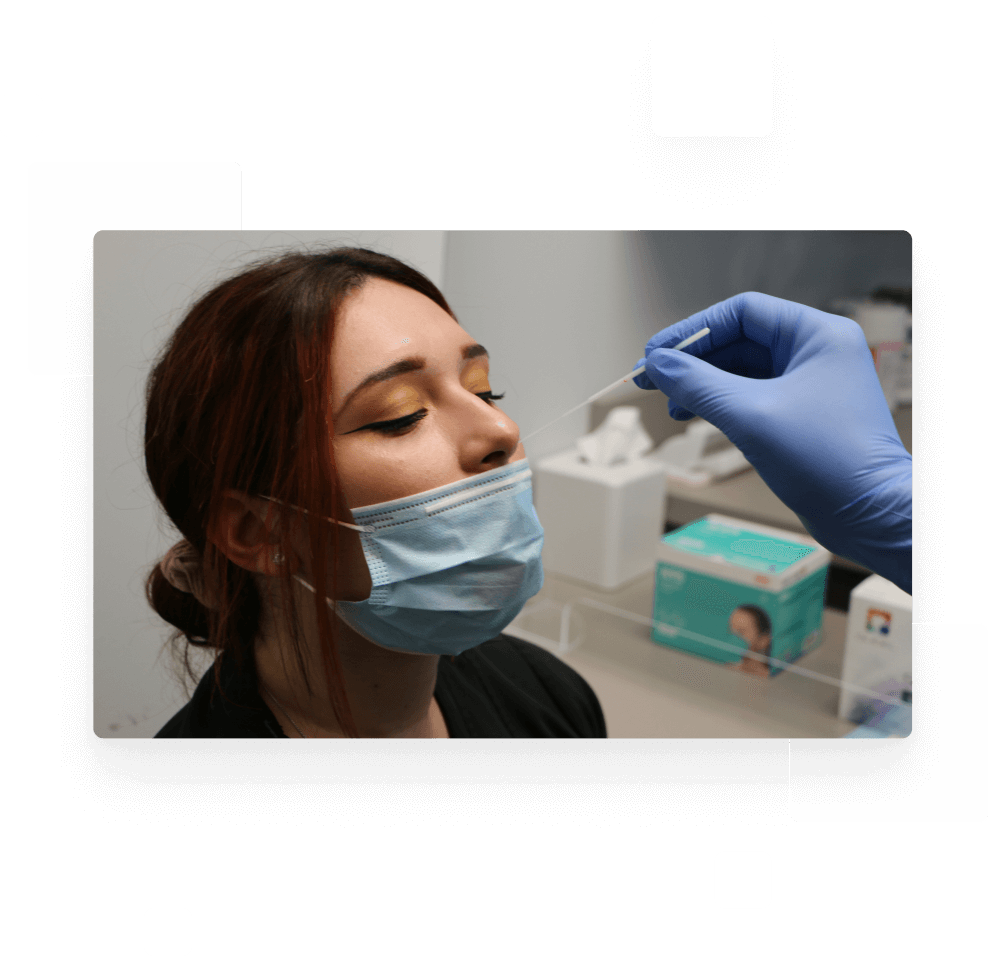
If you woke up with a sore throat, cough, or that telltale aching fatigue, you want clear answers fast. Here’s your practical guide to COVID‑19 testing and treatment in 2026, what to use, when it matters most, and how to get care quickly without jumping through hoops. You’ll learn which test to take, what your result actually means, who should start antivirals right away, and how to access same‑day care. Quality COVID 19 testing & treatment shouldn’t be confusing: this guide keeps it simple so you can take the right next step today.
When To Test And Which Test To Use
Types Of Tests And When To Use Them
- Rapid antigen tests (at‑home or point‑of‑care): Best when you have symptoms and want a quick read on whether you’re likely contagious. They’re fast (15–30 minutes) and widely available. Use for: new symptoms, return‑to‑work checks, or day‑of‑event screening. If negative but you still have symptoms or a known exposure, repeat testing.
- PCR/NAAT (lab‑based molecular tests): Most sensitive and can detect lower levels of virus. Results typically same day to 48 hours. Use for: strong suspicion with negative antigen tests, higher‑risk patients where treatment decisions hinge on confirmation, or when your workplace/travel requires a molecular result.
- Rapid molecular (POC NAAT): Some clinics and pharmacies offer same‑day rapid NAAT. Useful when you need higher accuracy than antigen and can’t wait for lab PCR.
When to test:
- Symptoms now? Test as soon as symptoms start. Viral load is often highest in the first few days.
- Known exposure? Test on day 5 after exposure, or sooner if symptoms appear. If the first test is negative, repeat 48 hours later.
- Before visiting high‑risk loved ones? Same‑day testing (preferably an antigen test the day of visit) helps reduce risk.
Tips To Improve Accuracy
- Test at the right time: Early symptomatic testing (day 1–3 of symptoms) is ideal. For exposures without symptoms, day 5 is a good starting point.
- Follow the instructions exactly: Use the provided swab technique and timing. Don’t substitute a throat swab unless the test specifically allows it.
- Swab well: For nasal tests, sample both nostrils and rotate as directed. Blow your nose first if the kit advises it.
- Repeat if needed: If your first antigen test is negative but you have symptoms, repeat in 24–48 hours. Serial testing catches rising viral loads.
- Store correctly: Keep kits within the temperature range on the box: heat or cold can reduce sensitivity.
- Check expiration dates: Many test shelf lives have been extended: verify your lot on the manufacturer’s or FDA’s website.
What Your Result Means And Next Steps
If You Test Positive
- Start isolation steps: Stay home and away from others until at least 24 hours after your fever resolves (without fever‑reducing meds) and your symptoms are clearly improving. Then take extra precautions, masking and avoiding high‑risk people, for 5 additional days. Follow local guidance if it’s more specific.
- Tell close contacts: Anyone you were with in the 48 hours before symptoms or a positive test should monitor and test.
- Consider treatment now if you’re higher risk (see below): Antivirals work best early, ideally within 5 days of symptom onset.
- Manage symptoms: Hydrate, rest, use acetaminophen or ibuprofen for fever and aches as needed. Seek urgent care for trouble breathing, persistent chest pain, confusion, or worsening oxygen levels.
- Expect possible rebound: Some people feel better and then symptoms return briefly. Rebound is usually mild. Re‑isolate while symptomatic and consult your clinician if you’re high risk.
If You Test Negative But Have Symptoms
- Don’t rule it out on one antigen test: Repeat in 24–48 hours. If you’re high risk or need a definitive answer for work/travel, get a PCR/NAAT.
- Treat it like a respiratory virus meanwhile: Stay home while sick, wear a mask around others, and keep up with fluids and rest.
- Consider other causes: Flu, RSV, and other viruses can look similar. Combination tests (COVID/Flu/RSV) may be available at clinics if the result changes management.
Who Should Get Treatment And When
High-Risk Conditions
You’re more likely to benefit from antivirals if you:
- Are age 50+, especially 65+
- Are pregnant or recently pregnant
- Are immunocompromised (from conditions or medications)
- Have chronic conditions: heart or lung disease (including asthma/COPD), diabetes, obesity, kidney disease, liver disease, neurologic conditions
- Live in long‑term care, are unvaccinated, or haven’t had a recent booster
If any of these apply, don’t wait, reach out for treatment as soon as symptoms start or right after a positive test.
The Treatment Window
- Nirmatrelvir/ritonavir (Paxlovid): Start within 5 days of symptom onset.
- Molnupiravir: Start within 5 days (alternative when others aren’t appropriate: not for pregnancy).
- Remdesivir (IV): Start within 7 days: typically a 3‑day outpatient course for non‑hospitalized high‑risk patients.
Early matters. The sooner you begin, the greater the reduction in hospitalization and severe disease. Bring your medication list to review drug interactions, especially if Paxlovid is considered.
COVID-19 Treatment Options In 2026
First-Line Antivirals
- Paxlovid (nirmatrelvir/ritonavir): First choice for most eligible adults and teens (12+ and at least 88 lb/40 kg). It significantly lowers the risk of severe disease when started early. Key step: screen for drug interactions, certain heart meds, anti‑seizure drugs, and others may need adjustment.
- Remdesivir (IV): For those who can’t take Paxlovid or have significant interactions. A 3‑day outpatient infusion course within 7 days of symptoms reduces progression risk. Safe in pregnancy and across pediatric ages with weight/age criteria.
- Molnupiravir: Oral alternative only when other options aren’t appropriate. Not recommended in pregnancy or for anyone under 18.
Hospital And IV Options
If oxygen levels drop or symptoms worsen, hospital care may include oxygen support, steroids (like dexamethasone) for patients needing oxygen, and additional therapies per current guidelines. For outpatients at very high risk, clinics may offer same‑week remdesivir infusions. Monoclonal antibodies for treatment come and go depending on variants: as of 2026, many earlier mAbs have reduced activity, so availability is variant‑dependent and may change.
What Not To Use
- Antibiotics (like azithromycin) don’t treat viruses unless there’s a confirmed bacterial infection.
- Ivermectin and hydroxychloroquine aren’t recommended, multiple trials show no meaningful benefit.
- High‑dose vitamins, zinc, or herbal remedies haven’t proven to prevent severe COVID‑19.
- Steroids shouldn’t be used in mild cases at home unless prescribed for another condition: they can delay viral clearance if used improperly.
How To Access Testing And Treatment Quickly
Same-Day Testing And Telehealth
You have options to move fast:
- At‑home antigen kits: Keep a few on hand for immediate answers.
- Pharmacies and urgent care: Many provide same‑day testing and prescriptions under “test‑to‑treat” models.
- Telehealth: Book a virtual visit right after a positive test to review eligibility for antivirals and check drug interactions.
- Local clinics with rapid NAAT: If you need higher accuracy today, look for centers offering same‑day molecular testing.
If you receive care through a primary care group that prioritizes access, same‑day visits, flexible hours, and on‑site testing, you can often go from swab to treatment plan in a single day. That’s the fastest path to recovery.
Costs, Insurance, And Assistance
- Insurance: Most plans cover medically necessary COVID‑19 testing ordered by a clinician and FDA‑authorized treatments. Coverage for over‑the‑counter tests varies, but HSA/FSA funds typically apply.
- Uninsured or under‑insured: Community testing sites, public health programs, and select pharmacies may offer free or low‑cost testing and treatment. Ask about patient‑assistance programs for antivirals.
- Copays and deductibles: Telehealth visits can reduce costs and time away from work. Confirm network coverage before you book.
- Documentation: Bring your medication list and insurance card. If you’re seeking Paxlovid, a current med list is essential to screen interactions quickly.
Special Considerations
Children And Teens
- Testing: Antigen tests are safe and widely used: follow age‑appropriate instructions. Clinics can provide PCR or combination (COVID/Flu/RSV) testing when helpful.
- Treatment: Paxlovid is authorized for ages 12+ who weigh at least 88 lb/40 kg. Remdesivir has pediatric use down to infants with specific criteria. Molnupiravir isn’t authorized under 18.
- When to seek care: Any child with breathing trouble, persistent high fever, dehydration, or lethargy should be evaluated urgently.
Pregnancy And Breastfeeding
- Higher priority for early treatment: Pregnancy increases the risk of severe illness. Start antivirals promptly if eligible.
- Preferred options: Paxlovid is generally considered appropriate in pregnancy after review of medications and risk/benefit. Remdesivir is also used when indicated. Avoid molnupiravir in pregnancy.
- Breastfeeding: Limited data suggest Paxlovid levels in breast milk are low: many clinicians consider it compatible. Discuss with your provider.
Immunocompromised Adults
- Test early and often: Lower viral loads can still cause severe disease, seek PCR/NAAT if antigen is negative but suspicion is high.
- Treatment may be extended: Specialists sometimes use longer or repeat antiviral courses. Don’t adjust without medical guidance.
- Pre‑exposure options: Availability of preventive monoclonal antibodies can change with variants. Ask your clinician about current protections, including up‑to‑date vaccines and any authorized prophylaxis.
- Extra precautions: Consider masking in crowded indoor spaces and testing before gatherings.
Conclusion
Act early and keep it simple. If you have symptoms, test now. If you’re high risk or your test is positive, line up treatment within days, Paxlovid first when appropriate, with remdesivir or molnupiravir as backups. Use repeat testing to confirm negatives, follow symptom‑based isolation, and lean on same‑day care and telehealth to move quickly. COVID 19 testing & treatment in 2026 is straightforward when you know the steps, test at the right time, start antivirals early if eligible, and get help fast so you can recover and protect the people around you.