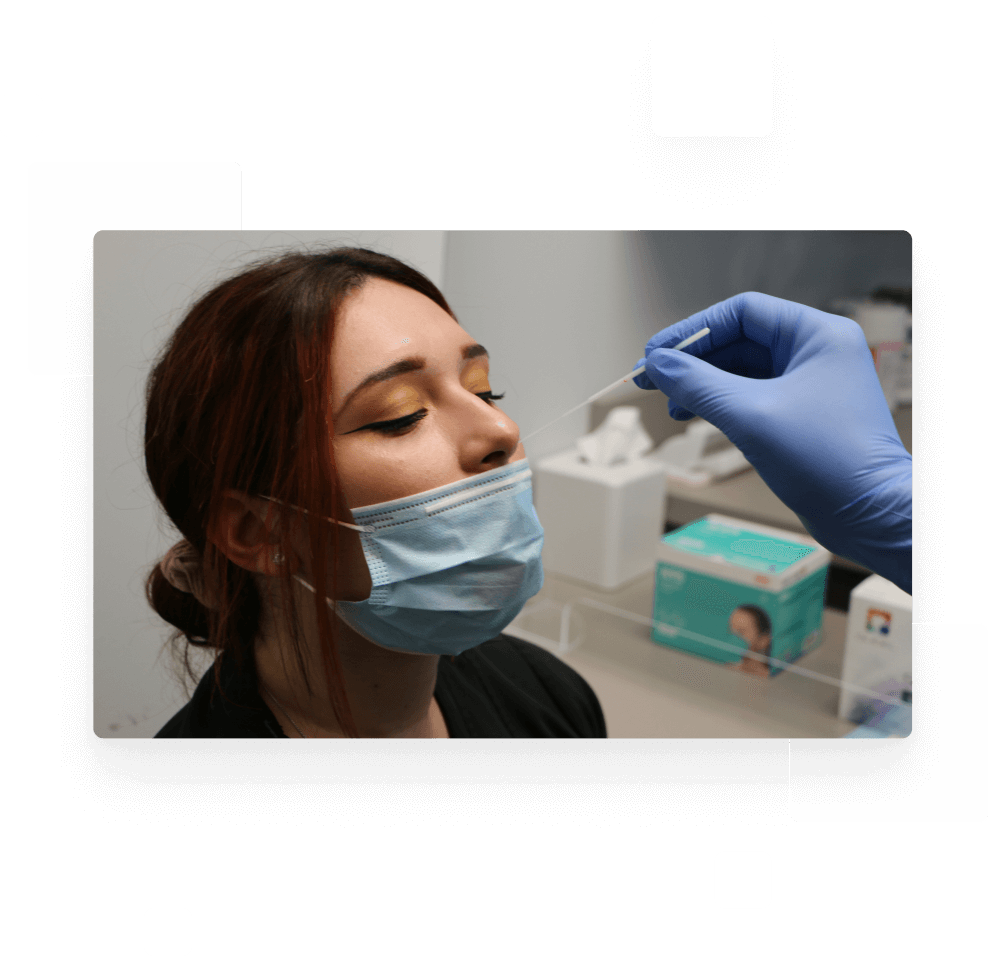
COVID-19 isn’t gone, it’s just more manageable when you know what to do and when to act. In 2026, the playbook is clearer: test at the right time, use the right test, and start proven treatments early if you qualify. This guide walks you through COVID-19 testing and treatment in plain language so you can make quick, confident decisions for yourself and your family.
When To Get Tested
Symptoms, Exposure, And High-Risk Situations
Test if you have new respiratory symptoms (fever, cough, sore throat, runny nose, fatigue, body aches, headache, loss of taste/smell), stomach issues like nausea or diarrhea, or if you feel “just a cold” but were around someone sick. Also test if you were exposed to a confirmed case, before visiting someone at high risk (older adults, immunocompromised, chronic conditions), or if your workplace, school, or travel plans require a negative result.
The Right Timing: First Test And When To Repeat
- If you have symptoms: Test right away. If the first rapid antigen test is negative, repeat in 48 hours. Many early infections are missed on day 1.
- If you had a known exposure and feel well: First test around day 5 after the last exposure. If negative, test again 48 hours later, especially if you’ll be around vulnerable people.
- If symptoms persist but tests stay negative: Continue masking, limit close contact, and repeat testing every 48 hours (up to 3 antigen tests total). Consider a PCR/NAAT for higher sensitivity.
Testing Before Travel, Work, Or Visiting Vulnerable People
Policies vary. If proof of a negative is needed, check the exact test type and timing your destination requires. When visiting someone high risk, use a same-day antigen test right before you go and keep the visit well-ventilated: if you had a recent exposure or symptoms, reschedule if you can.
Types Of COVID-19 Tests And How To Use Them
PCR/NAAT: Accuracy, Timing, And Turnaround
- What it is: Lab-based nucleic acid amplification tests (NAATs), often called PCR, that detect tiny amounts of viral RNA.
- Best use: Early in illness and when accuracy matters (work clearance, healthcare settings, persistent symptoms with negative antigen tests).
- Timing: Can detect infection 1–2 days before symptoms and throughout the first week or more.
- Turnaround: Same day to 48 hours, depending on the lab.
Rapid Antigen (At-Home And Point-Of-Care): Speed Versus Sensitivity
- What it is: At-home or clinic swab detecting viral proteins.
- Best use: Quick answers when you’re contagious, screening before gatherings, repeat testing after exposure.
- Strength: Fast (15–30 minutes), widely available.
- Limitation: Less sensitive early or late in infection. A single negative doesn’t always rule out COVID-19, serial testing matters.
Choosing The Right Test For Your Situation
- You’re sick today and need to know fast: Start with a rapid antigen. If negative but you strongly suspect COVID-19, repeat in 48 hours or get a PCR.
- You need documented proof: Prefer PCR/NAAT if required: otherwise, check whether supervised antigen is acceptable.
- You had a high-risk exposure: Test on day 5 and again 48 hours later: use antigen for speed, PCR if symptoms start and antigen is negative.
Getting Accurate Results: Sampling, Storage, And Common Mistakes
- Swab correctly: Follow kit instructions. Many tests perform best with a thorough nasal swab from both nostrils. Don’t rush it.
- Timing matters: Use first thing in the morning when viral load can be higher if you’re symptomatic.
- Storage: Keep kits at the recommended temperature. Don’t use expired tests unless the manufacturer/authority has formally extended the expiration date.
- Avoid cross-contamination: Clean hands, use a clean surface, and don’t mix parts from different kits.
- Read at the right time: Don’t interpret results too early or late: stick to the window on the package.
Interpreting Results And Taking Precautions
Positive Result: Isolation, Masking, And Notifying Contacts
- Stay home and isolate from others for at least 5 days from symptom onset (or from your positive test if no symptoms). You’re typically most contagious in the first 5–7 days.
- Wear a high-quality mask around others for 10 days, and improve ventilation.
- Notify close contacts from the 48 hours before your symptoms started through your isolation period so they can test and mask.
- Return to normal activities when fever-free for 24 hours without medication and symptoms are improving: keep masking around others through day 10.
Negative Or Indeterminate: Serial Testing And Persistent Symptoms
- If you tested too early or used an antigen test, a negative doesn’t always rule out infection.
- Keep precautions if you have symptoms or recent exposure. Repeat an antigen test in 48 hours, up to a total of 2–3 tests, or get a PCR.
- “Indeterminate” or “inconclusive” results usually mean retest with a new sample. Continue masking until you know.
When To Seek In-Person Care Or Emergency Help
- Call a clinician if you’re high risk for severe illness (age 65+, chronic diseases, immunocompromised, pregnant) or symptoms are worsening.
- Seek urgent/emergency care for trouble breathing, persistent chest pain or pressure, confusion, bluish lips/face, dehydration, or oxygen saturation below your provider’s threshold (often < 92–94% for most adults).
Treatment Options That Work In 2026
Who Is Eligible And Why Timing Matters (Days From Symptom Onset)
Antiviral treatments work best when started early. Most outpatient options must begin within 5–7 days of symptom onset. You’re more likely to benefit if you’re older, have underlying conditions (heart, lung, diabetes, kidney disease, obesity), are immunocompromised, or pregnant. Even vaccinated people at high risk may qualify. Don’t wait for a positive PCR if you already have a positive antigen and symptoms, contact a clinician immediately.
Oral Antivirals: Nirmatrelvir/Ritonavir (Paxlovid) And Molnupiravir
- Nirmatrelvir/ritonavir (Paxlovid): First-line for eligible adults and many adolescents (age ≥12, weight ≥40 kg). It reduces hospitalization and death when started within 5 days. Key issue: drug–drug interactions due to ritonavir: kidney function also guides dosing.
- Molnupiravir: Alternative when Paxlovid and remdesivir aren’t appropriate. Lower efficacy, not authorized for certain groups (e.g., during pregnancy). Start within 5 days.
Intravenous Options: Remdesivir For Early Outpatient Treatment
A 3-day IV remdesivir course started within 7 days of symptoms reduces progression in high-risk outpatients. It’s useful when Paxlovid interactions or kidney issues are a concern. Requires access to an infusion center on three consecutive days.
Monoclonal Antibodies And Emerging Therapies: Current Status
As of 2026, most treatment monoclonal antibodies have limited or no activity against circulating variants and are not routinely used for acute treatment. A monoclonal for pre-exposure prophylaxis in certain immunocompromised patients has been available in recent years, but availability and variant effectiveness change over time. Check current NIH/CDC guidance or your clinician for what’s active now. New long-acting or variant-agnostic agents are in development, watch for updated recommendations.
Safety, Interactions, And Special Populations
Managing Drug Interactions, Especially With Ritonavir
Ritonavir in Paxlovid can raise levels of many common medications (certain heart rhythm drugs, blood thinners, statins, transplant meds, some psychiatric meds). Never start it without a medication review. Your clinician may pause, substitute, or adjust doses for the 5-day course plus a short washout. Bring an up-to-date med list, including over-the-counter products and supplements. Avoid grapefruit products during therapy unless cleared.
Pregnancy And Breastfeeding Considerations
Pregnancy increases risk for severe COVID-19. Many pregnant patients qualify for treatment: Paxlovid is often considered when benefits outweigh risks. Remdesivir is another option. Molnupiravir is generally avoided in pregnancy. If you’re breastfeeding, discuss the latest data on medication transfer into milk: often the benefits of maternal treatment and continued breastfeeding are supported with precautions.
Kids And Teens: Dosing, Eligibility, And When To Treat
- Testing: Both antigen and PCR are appropriate for children: sampling technique matters.
- Treatment: Paxlovid may be used for eligible adolescents age 12+ who weigh at least 40 kg and meet risk criteria. Remdesivir can be considered in younger children in certain settings. Molnupiravir isn’t authorized for children.
- When to treat: Focus on children with high-risk conditions (e.g., severe asthma, obesity, neurologic disorders, immunocompromise) and those with worsening symptoms.
Immunocompromised And Chronic Conditions
If you’re immunocompromised or have complex chronic illness, contact your care team at the first sign of symptoms. You may be eligible for early antivirals, pre-exposure prophylaxis (if active options exist), and additional testing. Some patients shed virus longer: your clinician may advise longer masking or isolation and consider additional therapy if symptoms rebound.
Access, Cost, And Getting Care Quickly
How To Get Tested And Treated Fast: Telehealth, Pharmacies, And Clinics
- Telehealth: Same-day video/phone visits can order tests, review results, and prescribe antivirals when indicated.
- Pharmacies: Many offer on-site antigen or PCR sample collection and Test-to-Treat services.
- Urgent care/clinics: Good for rapid evaluation, especially if you’re high risk or symptoms are worsening. Bring your medication list for interaction checks.
Finding Low-Cost Or Free Options And Insurance Basics
Coverage varies by plan and location. Many insurers cover medically necessary PCR/NAATs and antivirals: some public programs or community clinics provide free or sliding-scale testing and treatment. Check your insurer’s portal for COVID-19 benefits and preferred sites. Before you go, confirm:
- Which test types are covered and where.
- Copays for urgent care, telehealth, and labs.
- If antivirals are on formulary and any prior-authorization rules.
What To Do If You Don’t Have A Primary Care Provider
Use local health department resources, community health centers, or retail clinics for testing and Test-to-Treat. Keep documentation of your test date, symptom onset, and medication list so any clinician can treat you quickly. If you qualify for antivirals, ask for same-day start, every day counts.
Conclusion
In 2026, COVID-19 testing and treatment is about timing and fit. Test as soon as symptoms start, repeat if negative but you still suspect infection, and use PCR when accuracy matters. If you’re high risk, reach out immediately, oral antivirals within 5 days or a 3-day remdesivir course within 7 days can keep you out of the hospital. Keep masks and ventilation in your toolkit, and check current guidance as variants evolve. With a simple plan and quick action, you can protect yourself and the people around you.