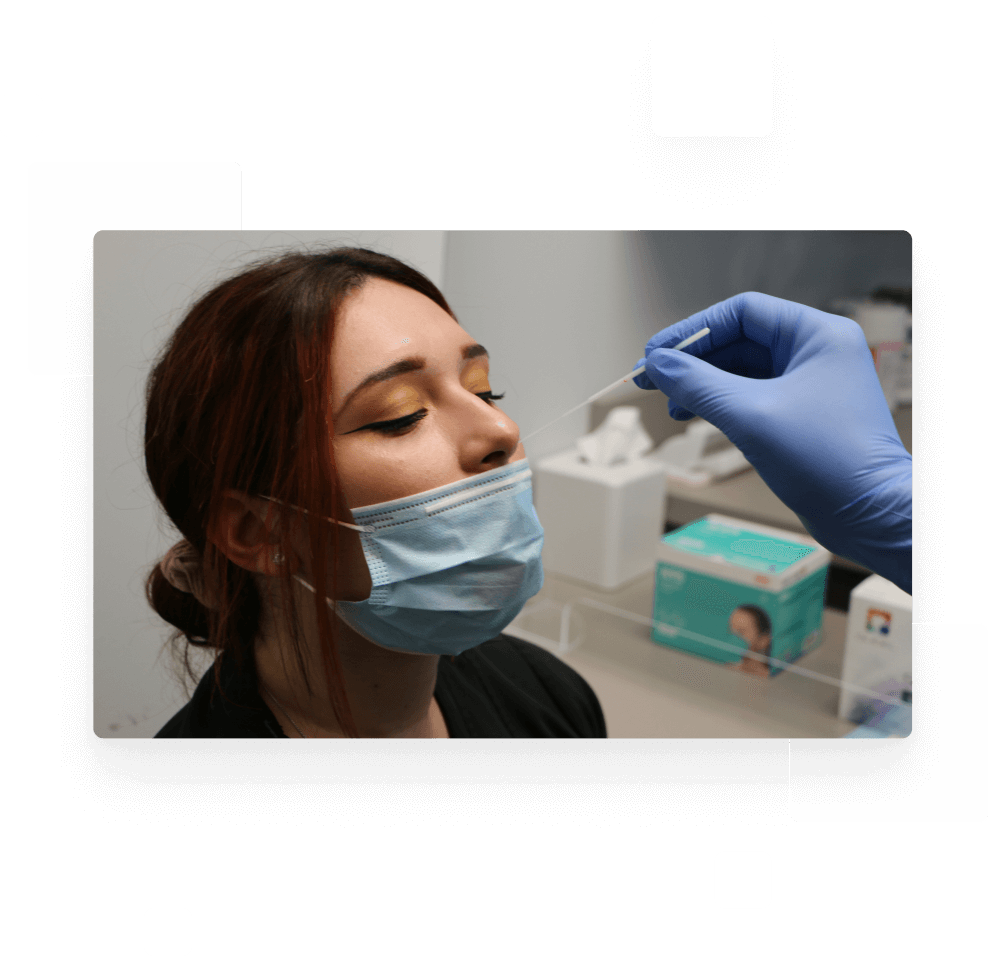
Whether you’re doing routine blood work or following up on a specific concern, lab testing shouldn’t feel mysterious or stressful. This practical guide walks you through exactly what to expect, how to prep so your numbers are accurate the first time, and how to read results without spiraling. You’ll learn when labs truly matter, simple tweaks that prevent redraws, what flags and ranges actually mean, and how to avoid surprise bills, so you can make clear, confident decisions with your clinician in 2026.
Why Lab Tests Matter And When You Need Them
Screening, Diagnosis, And Monitoring: The Three Big Reasons
Most blood tests fall into one of three buckets:
- Screening: Catching silent conditions early. Think lipid panel for cholesterol, A1C for diabetes risk, hepatitis or HIV screening, and thyroid checks if you have risk factors or symptoms.
- Diagnosis: Clarifying what’s causing symptoms. Examples: CBC for fatigue or infection, iron studies for hair loss or dizziness, troponin for chest pain, or D‑dimer for suspected clots.
- Monitoring: Tracking how you’re doing over time. This includes A1C or fructosamine for diabetes control, INR if you’re on warfarin, creatinine for kidney function, and medication levels (like lithium, valproate, or certain antibiotics).
If you’re not sure why a test is being ordered, ask two questions: What decision will this result change? And what will we do differently if it’s normal vs. abnormal? A good answer makes the blood draw worth it.
Common Blood Panels And What They Check
- Complete Blood Count (CBC): Red and white blood cells, platelets. Screens for anemia, infection, clotting issues.
- Comprehensive Metabolic Panel (CMP) or Basic Metabolic Panel (BMP): Electrolytes, kidney function, liver enzymes, glucose.
- Lipid Panel: Total cholesterol, LDL, HDL, triglycerides.
- A1C: Average blood glucose over 2–3 months.
- Thyroid Panel: TSH ± free T4/T3, sometimes thyroid antibodies.
- Iron Studies: Ferritin, iron, TIBC/transferrin saturation.
- Inflammation Markers: CRP, ESR.
- Vitamin Levels: B12, vitamin D, folate.
- Specialty Tests: Autoantibodies, tumor markers, hormones (cortisol, testosterone, estradiol), infectious disease panels. These often have timing or prep nuances.
What To Expect During Blood Work
Before You Arrive: Orders, Fasting, And Timing
- Confirm the order: Make sure the lab has your clinician’s electronic order or you have a paper script. Verify if tests are in-network.
- Fasting? Only if instructed: Commonly 8–12 hours for lipids and fasting glucose: water is encouraged. A1C doesn’t require fasting. If you take morning meds with food, ask if you can delay until after the draw.
- Timing matters: Some hormones (cortisol, testosterone) are best in the morning. Drug levels may need a trough (right before the next dose). Menstrual cycle timing can matter for certain reproductive hormones.
- Hydration helps: Drink water beforehand unless you’ve been told not to. It can make veins easier to find and speed up the visit.
- Bring essentials: ID, insurance card, list of medications/supplements, and any prior lab results if you’re comparing trends.
During The Draw: Step-By-Step And Comfort Tips
- Check-in and verify identity.
- Phlebotomist applies a tourniquet, cleans the site (usually antecubital area of your arm), and inserts a small needle attached to vacuum tubes.
- Vials fill in a specific order to prevent cross‑contamination.
- For comfort: Look away if needles make you queasy, take slow belly breaths, and relax your shoulder and fist. If you’ve had fainting spells before, mention it so you can lie down.
- The actual draw typically takes under 3 minutes. Total visit time for routine work is often 10–20 minutes, barring a busy queue.
Aftercare And Safety: Bruising, Dizziness, And When To Call
- Pressure for 2–5 minutes reduces bruising: keep the bandage on for an hour.
- Skip heavy lifting with that arm for the rest of the day.
- Mild soreness or a small bruise is common and fades in a few days. Ice and gentle pressure help.
- Lightheaded? Sit or lie down, hydrate, and snack if you were fasting.
- Call your clinician or the lab if you notice persistent bleeding, significant swelling, tingling/numbness in the hand, fever, or signs of infection at the site.
How To Prepare For Accurate Results
Fasting, Morning Vs. Afternoon, And Hydration
- Fasting 8–12 hours improves accuracy for triglycerides and fasting glucose: some modern lipid panels are less fasting‑sensitive, but many clinicians still prefer fasting for clarity.
- Morning draws are best for cortisol, testosterone, and iron (especially ferritin can fluctuate with inflammation and timing). If your sleep is inverted due to shift work, note this, “morning” means your physiologic morning.
- Hydration keeps veins plump and can reduce hemoconcentration that slightly skews results (like falsely higher hemoglobin or albumin). Water is fine: avoid coffee/tea if fasting unless your clinician says it’s okay.
Medications And Supplements That Skew Labs (Including Biotin)
- Biotin (vitamin B7) can interfere with many immunoassays (thyroid, troponin, hormone tests). If safe for you, pause high‑dose biotin (≥5,000–10,000 mcg/day) 24–72 hours before testing, confirm with your clinician.
- NSAIDs can affect kidney function and bleeding risk: acetaminophen can influence certain liver tests at high doses.
- Proton‑pump inhibitors reduce magnesium and can alter B12 over time.
- Some antibiotics, anticonvulsants, and antiretrovirals have specific monitoring windows: don’t change dosing without guidance.
- Herbal/supplement watchlist: Turmeric/curcumin, green tea extract, high‑dose vitamin C, niacin, and bodybuilding supplements can nudge liver enzymes, glucose, or lipids.
Exercise, Alcohol, Menstrual Cycle, And Pregnancy Considerations
- Vigorous exercise within 24 hours can raise CK, AST, and potassium and temporarily lower iron. If you’re checking these, avoid intense workouts the day prior.
- Alcohol within 24–48 hours can spike triglycerides and alter liver enzymes: minimize or skip before lipid or liver panels.
- Menstrual cycle: Iron levels can dip during or right after menses: hormone testing should be timed per your clinician (e.g., day 3 for some fertility labs, mid‑luteal for progesterone).
- Pregnancy changes “normal” ranges for many markers (thyroid, hemoglobin, kidney function). Make sure the lab applies pregnancy‑specific reference ranges.
At-Home Collection Vs. In-Lab: Pros, Cons, And Fit
- At‑home kits (finger‑stick, dried blood spot, saliva) are convenient and great for limited panels like A1C, lipids, or certain hormones, but can be less precise and more variable if collection or shipping is off.
- In‑lab venipuncture supports the widest test menu, better sample handling, and fewer redraws for complex panels.
- Mobile phlebotomy blends both, professional draw at home with lab‑grade handling. Consider it if you have mobility limits or tight schedules.
Making Sense Of Your Numbers Without Overreacting
Reference Ranges, Flags, And Normal Biological Variability
A “high” or “low” flag isn’t a diagnosis. Reference ranges describe where 95% of healthy people fall, not absolute good/bad. Factors like hydration, time of day, recent illness, lab methodology, and individual biology create wiggle room. Slight deviations often don’t matter clinically.
Trends Over Time: Why One Data Point Rarely Tells The Story
A single cholesterol or thyroid test is a snapshot. What matters more is the direction and pace of change combined with symptoms and exam findings. For example, a ferritin of 18 ng/mL may be okay for one person and problematic for another, depending on symptoms, menstrual losses, and inflammation. Keep your results organized so you and your clinician can track patterns.
Red Flags That Merit Prompt Follow-Up
- Chest pain with elevated troponin or new EKG changes, emergency care now.
- Very high potassium or very low sodium, can affect heart/brain function.
- Critically low hemoglobin with shortness of breath, dizziness, or bleeding.
- Markedly abnormal glucose (very high with symptoms, or very low with confusion/sweats).
- Positive pregnancy test with severe abdominal pain or bleeding.
- Any lab the report marks as “critical”, the lab usually notifies your clinician directly, but if you see it first, call.
When To Repeat, Confirm, Or Add Tests
- Borderline or unexpected results often warrant a repeat, preferably same conditions (time of day, fasting) within days to weeks.
- Confirmatory testing: Abnormal TSH may prompt free T4/T3 or antibodies: high A1C might be paired with fasting glucose or fructosamine: unusual lipid patterns may need a repeat while fasting or a direct LDL.
- Pre‑treatment baselines and post‑treatment monitoring ensure safety and effectiveness. Ask what interval is typical and what result would trigger a change.
Costs, Insurance, And Choosing A Lab
In-Network Vs. Out-Of-Network And Prior Authorization Basics
- Use in‑network labs when possible to minimize out‑of‑pocket costs. Call your insurer or check their directory: sometimes one national lab is covered and another isn’t.
- Some specialized tests require prior authorization. Your clinician’s office usually initiates it, but verifying ahead of time avoids denials.
- If you’re uninsured or have a high deductible, ask about self‑pay/cash prices, often lower than billed rates.
Price Transparency, Billing Codes, And Surprise Bills
- Ask for the CPT codes (procedure codes) and ICD‑10 diagnosis codes tied to your order: these determine coverage.
- Request an estimate before the draw and confirm where the specimen is sent, surprise bills often happen when a sample is routed out‑of‑network for a specialty assay.
- Review the explanation of benefits (EOB) and the lab invoice: dispute obvious errors (wrong insurance, duplicate charges).
Turnaround Times, Patient Portals, And Privacy Of Results
- Typical turnaround: CBC/CMP same day to 24 hours: lipids and A1C within 1–3 days: cultures, specialty immunology/genetics can take a week or more.
- Most labs post to a secure patient portal. Sign up so you can view results, download PDFs, and share with clinicians.
- Your results are protected health information. You control who sees them: share only with providers you authorize. If you prefer paper or phone calls, say so.
Conclusion
Good lab testing is a partnership: you prep smartly, the lab handles samples well, and your clinician interprets results in the context of your life, not just a number on a page. Hydrate, follow timing instructions, pause biotin if appropriate, and avoid last‑minute hard workouts or drinks before key panels. Then focus on trends, not blips, and confirm anything surprising before changing course. With a clear plan, you’ll get faster answers, fewer redraws, and results that actually help you feel better and move forward.