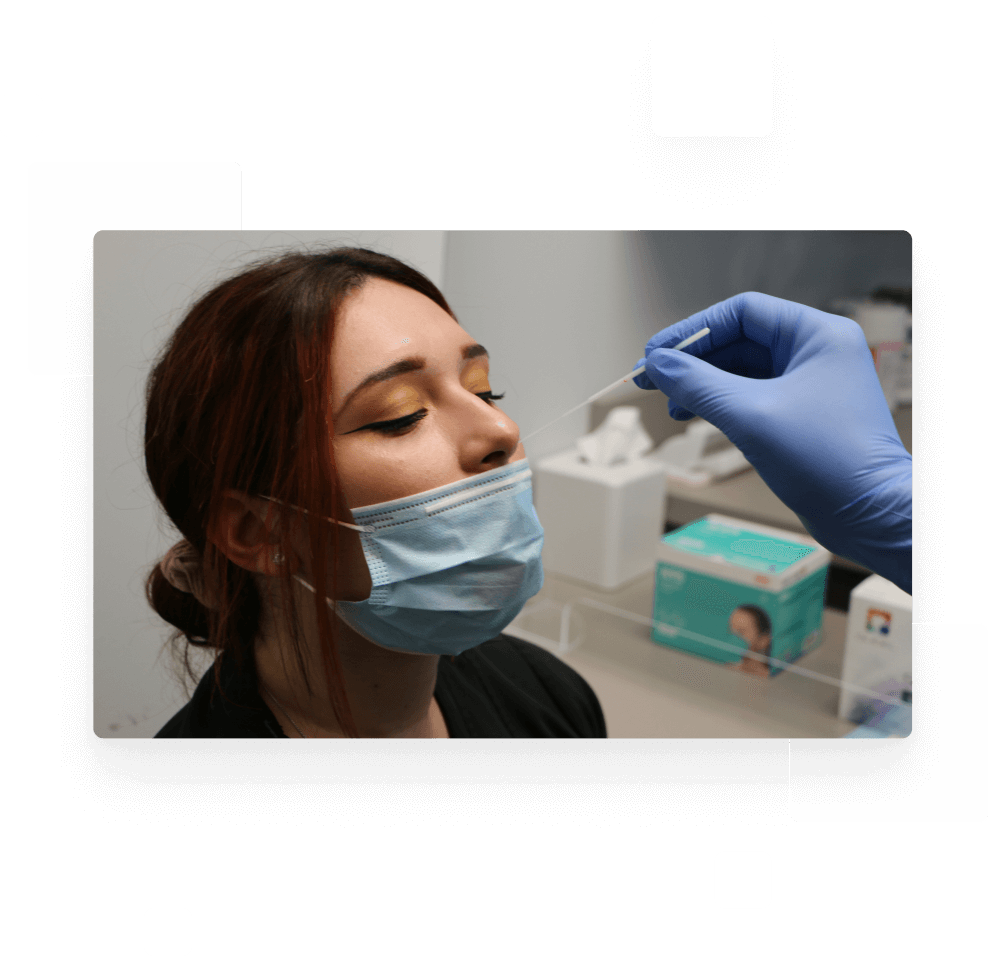
If you haven’t had a physical exam in a while, you’re not alone, and 2026 is a great year to get back on track. Physical exams are your yearly checkpoint: a chance to catch issues early, optimize your health goals, and leave with a clear plan. Here’s exactly what a physical exam includes, how often to get one, and how to prepare so you get the most value from your visit.
What Is A Physical Exam And Why It Matters
A physical exam is a preventive health visit focused on the big picture, your current health, your risks, and the steps to keep you well. It blends conversation, a head‑to‑toe check, and targeted screenings based on your age and history. Unlike a quick sick visit, a physical is proactive. You’re investing in future you.
Preventive Visits Vs. Problem Visits
- Preventive (wellness) visit: Centers on risk assessment, lifestyle, vaccines, and screening tests. There may be no active symptoms. Insurance often covers this annually with no copay when services are strictly preventive.
- Problem (evaluation) visit: Focuses on a specific concern (like knee pain or a rash). It may involve diagnosis and treatment. If you address significant new problems during a preventive visit, your clinician may need to bill both types.
Knowing the difference helps you plan questions and avoid surprise bills. You can still mention symptoms at a physical, just ask how they’ll be handled.
Benefits Beyond Screening
- Early detection: High blood pressure, diabetes, and cholesterol issues often have no symptoms at first.
- Personalized prevention: You’ll get tailored guidance on nutrition, sleep, stress, activity, and risk reduction.
- Vaccine updates: Staying current lowers your risk of serious infections.
- Medication safety: Your list gets reviewed for interactions and side effects.
- Relationship building: Having a clinician who knows your baseline makes urgent issues easier to navigate later.
How Often To Get A Physical: Age And Risk-Based Guidance
How often you need a physical exam depends on age, personal/family history, and risk factors. When in doubt, yearly is reasonable for most adults: children and older adults typically follow closer schedules.
Children And Teens
- Newborns and infants: Frequent well-child checks (per pediatric schedule) to track growth, development, and vaccines.
- Ages 3–10: Annual visits for growth, vision/hearing checks, and immunizations.
- Preteens/teens: Yearly exams cover puberty, mental health, sports clearance, and risk counseling.
Adults 18–39
- Every 1–3 years if healthy, but annually if you prefer accountability or have risk factors (family history, weight changes, blood pressure concerns, smoking, or planning pregnancy).
- Typical screening focus: Blood pressure, mental health, STI testing as indicated, cervical cancer screening for those eligible, and vaccine updates (e.g., Tdap).
Adults 40–64
- Annual physicals are smart here as risks rise.
- Screening focus: Blood pressure, diabetes and cholesterol labs, colorectal cancer screening starting at 45 for average‑risk individuals, cervical and breast cancer screening per guidelines, and prostate cancer discussion for eligible patients based on values and risk.
65+ And Chronic Conditions
- Yearly (often more frequent) visits to manage blood pressure, heart health, bone density, vision/hearing, fall risk, cognition, and vaccines (flu, COVID‑19, pneumonia, shingles).
- If you live with chronic conditions (diabetes, heart, lung, kidney disease), you’ll likely have ongoing follow‑ups plus an annual comprehensive exam.
What To Expect During A Physical
Physical exams are thorough but straightforward. Plan on 30–60 minutes depending on your needs.
Medical History And Lifestyle
Your clinician will ask about:
- Current concerns, medications, supplements, and allergies
- Personal and family history (heart disease, diabetes, cancers)
- Sleep, stress, nutrition, physical activity, and substance use
- Sexual health, periods/menopause, fertility goals, and mental well‑being
This context shapes which screenings make sense for you.
Vitals And Measurements
- Height, weight, and BMI or waist measurement to assess cardiometabolic risk
- Blood pressure and pulse: sometimes oxygen level and temperature
Trends over time matter more than one-off numbers, so tracking year to year is key.
Head-To-Toe Exam
- Eyes, ears, nose, and throat
- Thyroid and neck
- Heart and lungs (rate, rhythm, sounds)
- Abdomen (liver, spleen, tenderness)
- Skin, lymph nodes, and extremities (circulation, swelling)
- Neurologic basics (reflexes, strength, sensation) as needed
- Pelvic, breast, prostate, hernia, or testicular exams when clinically appropriate and agreed upon
Your clinician should explain what’s being done and why, speak up if anything’s unclear.
Screening Tests And Vaccines
Based on your profile, you may have:
- Labs: Cholesterol panel, A1C or glucose, thyroid tests, hepatitis/iron/vitamin levels when indicated
- Cancer screening: Cervical (Pap/HPV), breast (mammogram), colorectal (FIT test, stool DNA, or colonoscopy), prostate discussions with PSA where appropriate
- Infectious disease: HIV, hepatitis C, and STI tests based on risk and age
- Imaging or bone density if indicated
- Vaccines: Tdap/Td, flu, COVID‑19, HPV, shingles, and pneumonia depending on age and risk
Many tests don’t have to happen every year. The goal is right test, right time.
How To Prepare And Make The Most Of Your Visit
A little prep goes a long way. You’ll save time, reduce anxiety, and leave with a clearer plan.
What To Bring
- Photo ID and insurance card (if insured)
- Medication/supplement list with doses, or photos of labels
- Vaccination records and past test results if you have them
- Family history details (ages and conditions for parents, siblings)
- Your top 3 priorities for the visit
Day-Of Preparation
- Arrive a few minutes early for forms: complete online questionnaires if offered.
- Wear comfortable clothing and shoes that are easy to remove.
- If fasting labs were requested, follow those instructions: if not, eat normally.
- Drink water, hydration makes blood draws easier.
- Avoid caffeine and intense exercise right before blood pressure checks when possible.
Questions To Ask
- Which screenings do I need this year, and which can wait?
- How do my numbers compare to last time? What’s my trend?
- Are there lifestyle changes with the biggest payoff for me?
- What side effects should I watch for with my meds?
- When should I follow up, and how will I get results?
Types Of Physicals You Might Need
Not all physical exams are the same. Knowing which one you’re scheduling helps set expectations.
Annual Wellness Visit Vs. Comprehensive Exam
- Annual wellness visit (common for Medicare): Focuses on risk assessment, preventive planning, and screenings: it may not include a full head‑to‑toe exam or new-problem management.
- Comprehensive exam: A traditional full physical with exam components plus preventive planning. Ask your clinic which you’re booking so it aligns with your goals.
Sports And School Physicals
Designed to assess fitness to participate and flag conditions that may need monitoring (like asthma or heart issues). Bring any required forms and your glasses/contacts.
Work And Pre-Employment Exams
May include vision/hearing checks, immunization proof, drug screening, or respiratory testing depending on the job. Employers often supply specific paperwork, bring it.
Pre-Op Clearance
Before surgery, you may need a focused assessment, labs, EKG, and medication review to lower anesthesia and surgical risks. Timing matters: schedule when your surgeon advises.
Costs, Insurance, And Telehealth Considerations
Healthcare billing can be confusing, but a few pointers make it easier to plan.
Preventive Coverage Basics
Most health plans cover in‑network preventive services, like an annual wellness visit and recommended screenings, at no additional cost. But coverage varies by plan, age, and service. Confirm whether your visit is booked as preventive or problem‑focused.
Avoiding Surprise Bills
- Ask ahead: Will today’s visit be billed as preventive only, or could additional evaluation be billed if we address new issues?
- Know the network: Verify your clinician, lab, imaging center, and any specialists are in‑network.
- Understand tests: Some labs are preventive at certain ages but diagnostic in others. If cost is a concern, ask about alternatives and timing.
When Virtual Care Fits, And When It Doesn’t
Telehealth shines for pre‑visit planning, reviewing results, and preventive counseling. It’s not a full substitute for hands‑on exams, blood pressure checks, vaccines, or procedures. A hybrid model, virtual for discussion, in‑person for exams and tests, often works best.
Conclusion
Physical exams are practical, not performative. In one visit, you confirm what’s going well, catch small issues before they grow, and set a plan that fits your life. Book your exam, bring your priorities, and walk out with clarity on your next steps. Your future self will thank you.