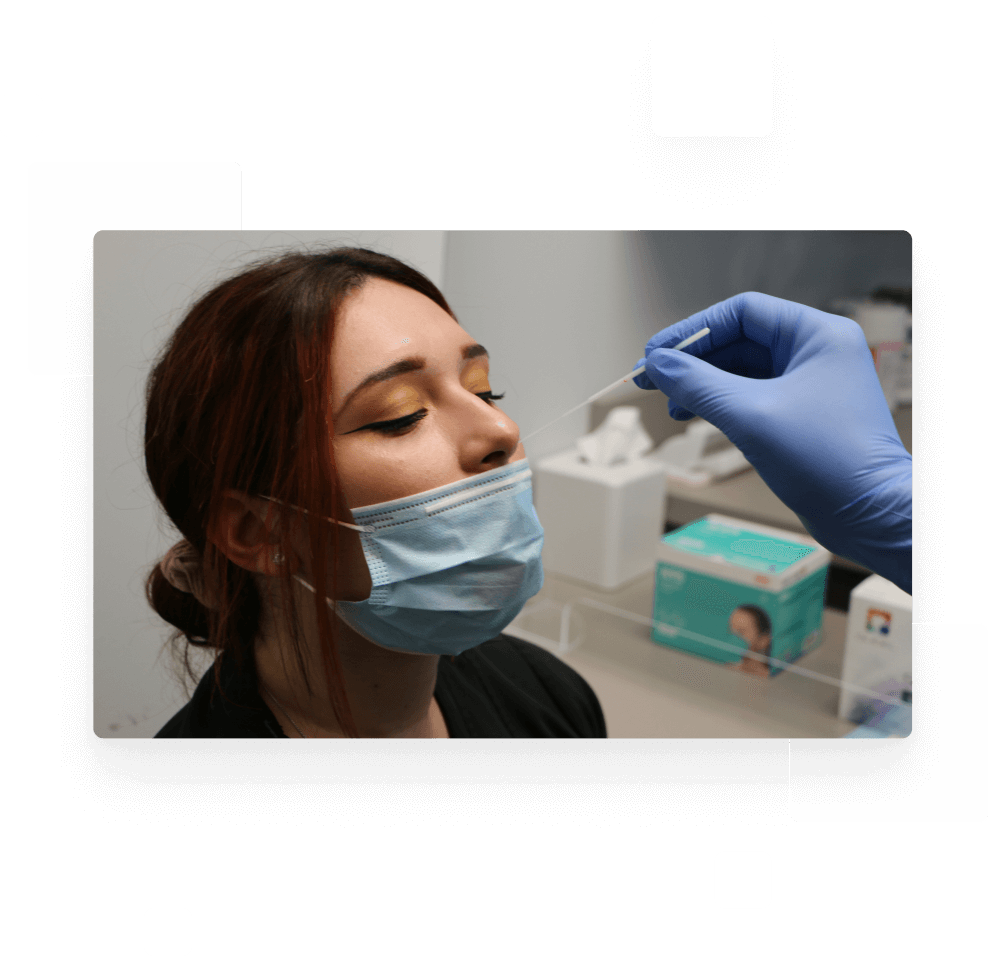
If you’ve been tired for no clear reason, gaining or losing weight unexpectedly, or riding an emotional rollercoaster that doesn’t match your life, your thyroid might be involved. This small, butterfly-shaped gland drives your metabolism, mood, and energy. In this guide, you’ll get a clear, 2026-ready overview of thyroid disorders & testing, what symptoms to watch for, which labs matter, how to interpret results, and smart next steps so you can move from worry to a plan.
Why The Thyroid Matters And Common Disorders
Your thyroid makes hormones (T4 and T3) that set your body’s “idle speed.” Too little slows everything down: too much speeds it up. Understanding the common conditions can help you spot patterns sooner.
Hypothyroidism And Hashimoto’s
Hypothyroidism means the thyroid isn’t making enough hormone. You may feel fatigued, cold, constipated, foggy, or notice dry skin, hair thinning, weight gain, and heavy or irregular periods. The most common cause in the U.S. is Hashimoto’s thyroiditis, an autoimmune attack on thyroid tissue. It can start silently, with normal tests for a while, then progress. Treatment is typically daily levothyroxine (T4) with periodic dose checks.
Hyperthyroidism And Graves’ Disease
Hyperthyroidism is the opposite problem, excess hormone. Classic signs include anxiety, tremor, palpitations, heat intolerance, unintentional weight loss, frequent stools, and sleep trouble. Graves’ disease is the most common autoimmune cause, sometimes bringing eye symptoms (grittiness, bulging) or leg skin changes. Treatment options include antithyroid medication (often methimazole), radioiodine to shrink the gland, or surgery, depending on severity, age, pregnancy plans, and preferences.
Nodules, Goiter, And Special Situations (Pregnancy, Postpartum)
Nodules are common and usually benign. An enlarged thyroid (goiter) can occur with underactive, overactive, or normal hormone levels. Ultrasound helps risk‑stratify nodules: some need fine‑needle aspiration (FNA). During pregnancy, thyroid levels shift and need trimester-specific targets: untreated imbalance can affect both you and baby. Postpartum thyroiditis can cause a brief hyper phase followed by hypo: many recover, but some need long‑term monitoring.
Signs You Might Need A Thyroid Check
Metabolic, Mood, And Physical Clues
Think patterns, not one-off days. Hypothyroid patterns: low energy, feeling cold, constipation, slowed thinking, puffy face, coarse hair, weight creep even though same habits, high LDL cholesterol, heavy periods, infertility. Hyperthyroid patterns: restlessness, anxiety, palpitations, heat intolerance, sweaty palms, tremor, frequent stools, weight loss even though normal appetite, lighter or absent periods. Neck fullness, hoarseness, or trouble swallowing warrant a look for nodules or goiter.
Who Should Be Screened And When
- Anyone with persistent symptoms above for 4+ weeks.
- People with autoimmune disease (type 1 diabetes, celiac, vitiligo), a family history of thyroid disease, prior neck radiation, or certain meds (amiodarone, lithium, immune checkpoint inhibitors).
- Pregnant or trying to conceive, especially with risk factors or symptoms.
- Adults over 60 with new heart rhythm changes, mood shifts, or unexplained weight change.
If you’re asymptomatic but have risk factors, a simple TSH is a reasonable start. In pregnancy, test early: postpartum symptoms also deserve a check.
The Core Thyroid Tests And What They Show
TSH, Free T4, And Free T3
- TSH (thyroid-stimulating hormone) is the pituitary “thermostat.” High TSH usually means the thyroid is underperforming (hypo). Low TSH suggests excess thyroid hormone (hyper). Typical adult reference ranges are about 0.4–4.5 mIU/L, but labs vary.
- Free T4 is the main circulating hormone: low in overt hypothyroidism, high in overt hyperthyroidism.
- Free T3 is the active form: it can be helpful in hyperthyroidism or when results don’t match symptoms, but it’s less reliable for hypothyroidism dosing than Free T4 and TSH.
Antibodies: TPO, TgAb, TRAb
- TPO antibodies (anti-thyroid peroxidase) and thyroglobulin antibodies (TgAb) support a diagnosis of Hashimoto’s. Positive antibodies can precede abnormal hormones.
- TRAb (TSH receptor antibodies), including TSI, support Graves’ disease and help predict relapse or eye involvement. They’re also useful during pregnancy if you have a Graves’ history.
Imaging And Functional Tests
- Thyroid ultrasound evaluates size, texture, blood flow, and nodules. It’s radiation-free.
- Radionuclide uptake/scan (usually iodine-123) shows how active the gland is, helpful to distinguish Graves’ from thyroiditis in hyperthyroidism and to assess hot/cold nodules.
- FNA biopsy samples nodules that meet risk criteria based on size and ultrasound features (e.g., TI-RADS).
Interpreting Results: Ranges, Pitfalls, And Context
Subclinical States And Mismatched Symptoms
Subclinical hypothyroidism: elevated TSH with normal Free T4. Treatment is individualized, more likely if TSH ≥10 mIU/L, you’re symptomatic, pregnant/trying to conceive, or have positive TPO antibodies or high LDL. Subclinical hyperthyroidism: suppressed TSH with normal Free T4/T3: it raises atrial fibrillation and bone loss risk, especially if TSH <0.1 mIU/L in older adults. Sometimes symptoms don’t match labs: non-thyroid issues (sleep apnea, iron deficiency, depression, menopause) can mimic thyroid problems.
Meds, Supplements, And Special Cases (Pregnancy, Illness, Aging)
- Meds: Biotin can falsely skew tests, stop it 48 hours before labs. Amiodarone, lithium, steroids, and checkpoint inhibitors affect thyroid function. Estrogen and androgens can alter binding proteins.
- Illness: Severe non-thyroidal illness can lower T3 (“euthyroid sick syndrome”). Don’t over-interpret labs during acute illness.
- Pregnancy: TSH goals are lower: levothyroxine doses often need a prompt 20–30% increase once pregnancy is confirmed. Radioiodine is contraindicated.
- Aging: TSH drifts upward with age: a mildly higher TSH may be acceptable in older adults if asymptomatic.
How Testing Informs Treatment And Follow-Up
Hypothyroidism: Dosing And Monitoring
First-line therapy is levothyroxine (T4). Typical full replacement is ~1.6 mcg/kg/day, but you’ll start lower if you’re older, have heart disease, or are subclinical. Take it on an empty stomach with water, 30–60 minutes before breakfast, and separate from calcium, iron, and PPIs by 4 hours. Recheck TSH in 6–8 weeks, adjusting by 12.5–25 mcg. Once stable, monitor every 6–12 months or sooner if symptoms change, you switch brands, or pregnancy begins.
Hyperthyroidism: Options And Risks
- Antithyroid drugs: Methimazole is first choice: PTU is preferred in the first trimester or if methimazole isn’t tolerated. Monitor liver enzymes and blood counts if symptoms suggest issues (jaundice, fever, sore throat). Remission in Graves’ can occur after 12–18 months.
- Radioiodine: A single dose often cures hyperthyroidism but usually leads to lifelong hypothyroidism (then you take levothyroxine). Avoid if pregnant or breastfeeding, and plan around fertility timelines.
- Surgery: Best if you have a very large goiter, suspicious nodules, severe ophthalmopathy, or need rapid control. Requires an experienced surgeon: hypothyroidism after surgery is common and managed with levothyroxine.
Beta-blockers (e.g., propranolol) can help symptoms while the underlying cause is treated.
Nodules And Cancer: Risk And Surveillance
Most nodules are benign. Ultrasound features guide FNA. If benign, you’ll get periodic ultrasounds (e.g., 6–18 months initially). Cancer risk is higher with microcalcifications, irregular margins, taller-than-wide shape, or suspicious lymph nodes. Differentiated thyroid cancer has excellent outcomes when caught early: treatment may include surgery, selective radioiodine, and thyroglobulin monitoring.
Getting Tested The Smart Way
Timing, Preparation, And Retesting
- Test in the morning if possible: stay consistent with timing.
- Pause biotin supplements for at least 48 hours before labs.
- Keep levothyroxine timing consistent relative to labs: if you take it in the morning, take it after your blood draw for consistency.
- Recheck 6–8 weeks after any dose change, new medication, pregnancy, or major weight change. Stable patients can check annually.
What To Ask Your Clinician
- Which tests do I need now, TSH alone or a full panel with Free T4/T3 and antibodies?
- If I’m subclinical, what’s the plan and trigger points to treat?
- How will my other meds/supplements affect results or dosing?
- What’s the follow-up schedule, and how will we track symptoms, not just numbers?
Conclusion
Your thyroid influences nearly every system in your body, which is why the right tests, done at the right time, matter. Start with symptoms and risk factors, confirm with targeted labs, and then tailor treatment with clear goals and follow-up. If something feels off, don’t wait: a simple thyroid check can quickly turn uncertainty into a plan you can trust.