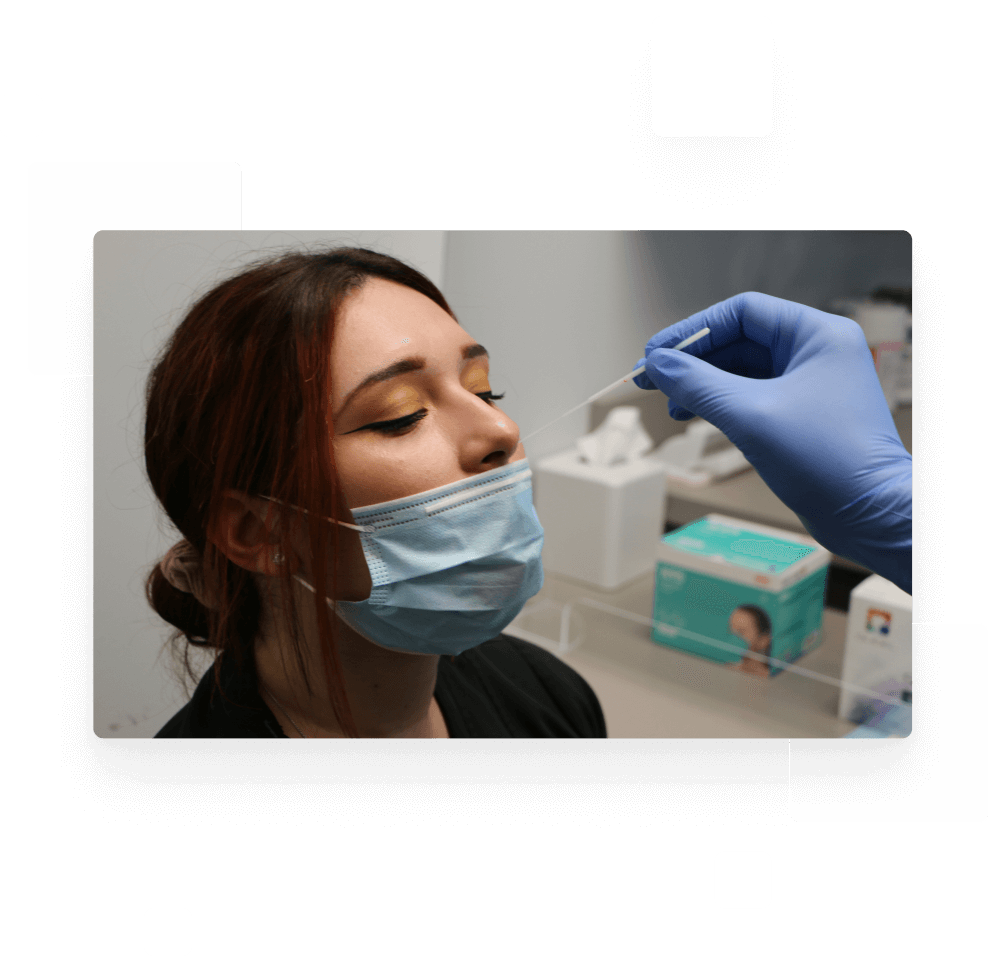
If you’re sexually active, taking charge of your sexual health is one of the smartest things you can do for yourself, and your partners. In 2026, STD testing and treatment are faster, more accurate, and more accessible than ever. This guide walks you through when to get tested, which tests you’ll likely see, how to understand results, and what treatment and prevention look like today. You’ll also get practical tips on cost, privacy, and staying protected without stress or stigma.
When And Why To Get Tested
Symptoms That Need Same-Week Testing
Get tested within a week (or sooner) if you notice burning with urination, genital sores or blisters, unusual discharge, pelvic/testicular pain, rectal pain or bleeding, or new rashes in the groin. Fever with severe sore throat after oral sex can also be an STI clue. If you’re pregnant and develop any symptoms, prioritize same-week testing. For painful lesions, testing right away increases the chance of catching herpes by PCR.
After A New Partner Or Possible Exposure: Window Periods
Testing too early can miss infections. As a rule of thumb: chlamydia and gonorrhea NAATs are reliable at about 1–2 weeks post‑exposure: syphilis blood tests (RPR) usually detect infection by 3–6 weeks: HIV 4th‑generation tests are most reliable by 18–45 days (RNA tests can detect as early as ~10–14 days): and herpes blood IgG may take 6–12 weeks. If you test earlier, plan a follow‑up test after the window.
Routine Screening Schedules By Age, Sex, And Risk
- Annual chlamydia/gonorrhea screening for sexually active women under 25 and older women with risk factors.
- Men who have sex with men (MSM): screen every 3–6 months for HIV, syphilis, chlamydia, and gonorrhea at all exposure sites (throat, rectum, urine).
- Pregnant patients: test early for HIV, syphilis, and hepatitis B: repeat in the third trimester if at risk.
- Anyone with new or multiple partners: consider a 6–12 month cadence. More frequent if you’ve had an STI in the past year.
What Tests Are Used And How They Work
Urine, Swabs, And Blood: What Each Detects
- Urine or swab NAATs: Top choice for chlamydia and gonorrhea. Swabs can be done from the throat, vagina/cervix, urethra, or rectum depending on exposure.
- Blood tests: Used for HIV, syphilis (RPR/treponemal tests), hepatitis B/C, and sometimes HSV antibodies.
- Lesion/ulcer swabs: PCR can identify herpes or syphilis from sores. These are best when symptoms are active.
Accuracy, Window Periods, And Turnaround Times
Modern NAATs for chlamydia/gonorrhea are highly sensitive after 1–2 weeks. HIV 4th‑gen tests catch most infections by 18–45 days: RNA testing shortens that to ~10–14 days. Syphilis serology is usually positive by 3–6 weeks. Typical lab turnaround is 1–3 business days: rapid HIV and syphilis screens can be same‑day. If you test during the window, schedule a confirmatory test.
At-Home Versus Clinic Testing: Pros And Cons
At‑home kits are convenient, private, and great for routine screening, especially urine or self‑swabs. Downsides: limited site testing (you may miss throat/rectal infections), shipping delays, and fewer options for immediate treatment. Clinics can test all exposure sites, offer rapid tests, provide treatment on the spot, and handle partner services, useful if you have symptoms or a known exposure.
Understanding Your Results And Next Steps
Negative, Nonreactive, Undetectable: What Each Means
- Negative or nonreactive typically means no infection was detected. If you tested within a window period, you may still need a follow‑up.
- Undetectable for HIV viral load means effective treatment, and with sustained suppression, you don’t transmit HIV sexually (U=U). This term isn’t used for all STIs.
- “Detected,” “positive,” or “reactive” means follow the plan for treatment or confirmatory testing, depending on the test.
False Positives/Negatives And When To Retest
No test is perfect. Early testing and at‑home collection errors can cause false negatives: cross‑reactivity can rarely cause false positives. Retest if: symptoms persist even though a negative result, you tested during the window, or you’re starting/stopping HIV PrEP/PEP. For syphilis, confirmatory treponemal tests help clarify screening results.
Telling Partners, Confidentiality, And Legal Considerations
Most clinics keep your results confidential, and in many places, you can get partner notification help without revealing your identity. Some states allow expedited partner therapy (EPT) for chlamydia/gonorrhea, letting partners get treatment without an exam. Positive results for certain STIs are reportable to public health for tracking, not for punishment. Honest, timely disclosure protects everyone and is often required by law for HIV.
Treatment Options By Infection
Curable STIs: Chlamydia, Gonorrhea, Trichomoniasis, Syphilis (Early)
- Chlamydia: Treated with antibiotics (commonly doxycycline). Avoid sex for 7 days after both partners finish treatment. Retest in ~3 months.
- Gonorrhea: An injection of ceftriaxone: often treat for chlamydia too if status unknown. Test of cure for throat infections is recommended.
- Trichomoniasis: Oral antibiotics (metronidazole or tinidazole). Partners should be treated simultaneously.
- Syphilis (early): Long‑acting penicillin injection. Follow-up blood tests track response.
Manageable But Lifelong: HIV, Herpes, And Some HPV Outcomes
- HIV: Modern antiretroviral therapy is once daily for most people, with long‑acting injectables now available. U=U means no sexual transmission when suppressed.
- Herpes (HSV‑1/2): Antivirals shorten outbreaks and reduce shedding: daily suppressive therapy helps if outbreaks are frequent.
- HPV: Many infections clear, but some persist and can cause warts or cancer. Vaccination and routine cervical screening are key.
Post-Exposure And Prevention Meds: PEP, PrEP, And Vaccines
- HIV PEP: Start within 72 hours of exposure, continue for 28 days, and test on schedule.
- HIV PrEP: Daily pills or long‑acting injections reduce risk by ~99% for sex when taken as prescribed. On‑demand dosing is an option for some.
- Doxy‑PEP: In select groups at high risk (per 2024 guidance), a dose of doxycycline within 72 hours after sex can reduce bacterial STIs.
- Vaccines: HPV, hepatitis A, and hepatitis B vaccines are powerful STI prevention tools.
Safer Sex And Preventing Reinfection
Condoms, Dental Dams, And Lube Done Right
Use condoms for vaginal and anal sex and dental dams for oral‑genital or oral‑anal contact. Pick the right size, pinch the tip, and roll down fully. Add water‑ or silicone‑based lube to reduce breakage and microtears. Change condoms between partners and body sites.
When It’s Safe To Have Sex After Treatment And Test Of Cure
For chlamydia and gonorrhea, wait 7 days after completing treatment, and ensure partners are treated. Trichomoniasis also requires 7 days. Syphilis timing depends on stage: follow your clinician’s advice and confirm falling titers. A test of cure is recommended for gonorrhea throat infections and in pregnancy for several STIs.
Building A Regular Check-In Routine With Partners And Providers
Make STI talks normal: share last test dates, agree on testing intervals, and discuss condom or PrEP use. Put reminders on your calendar for quarterly or semiannual screens. If you start or stop a relationship, update your plan. A trusted clinic or provider can tailor schedules to your risks.
Access, Cost, And Confidentiality
Where To Get Tested: Clinics, Telehealth, Pharmacies, Community Sites
You can test at primary care, sexual health clinics, Planned Parenthood, urgent care, and many student or community clinics. Telehealth can ship discreet kits and arrange local labs. Some pharmacies and community events offer rapid HIV and syphilis screening.
Pricing, Insurance, And Free/Low-Cost Programs
With insurance, most STI screening is low‑ or no‑cost, especially if preventive. Without insurance, transparent‑price clinics, community health centers, and public health departments often provide free or sliding‑scale testing and treatment. Ask about bundled panels versus targeted tests to lower costs.
Minors’ Rights, Privacy, And Discreet Billing Tips
In many U.S. states, minors can consent to STI services without a parent. To keep results private, ask about confidential communication options and patient portals. If you share insurance, request discreet billing codes when possible and consider low‑cost clinics that don’t bill insurance to avoid explanation‑of‑benefits mailings.
Conclusion
STD testing and treatment in 2026 are fast, accurate, and private, and they’re a routine part of caring for yourself and your partners. Know the window periods, choose tests based on exposure sites, and don’t wait if you have symptoms or a known risk. Most bacterial STIs are curable, viral infections are highly manageable, and prevention tools like PrEP, vaccines, and condoms are better than ever. Build a simple testing rhythm, keep communication open, and use clinics and programs that respect your time, budget, and privacy. Your sexual health is worth the plan.