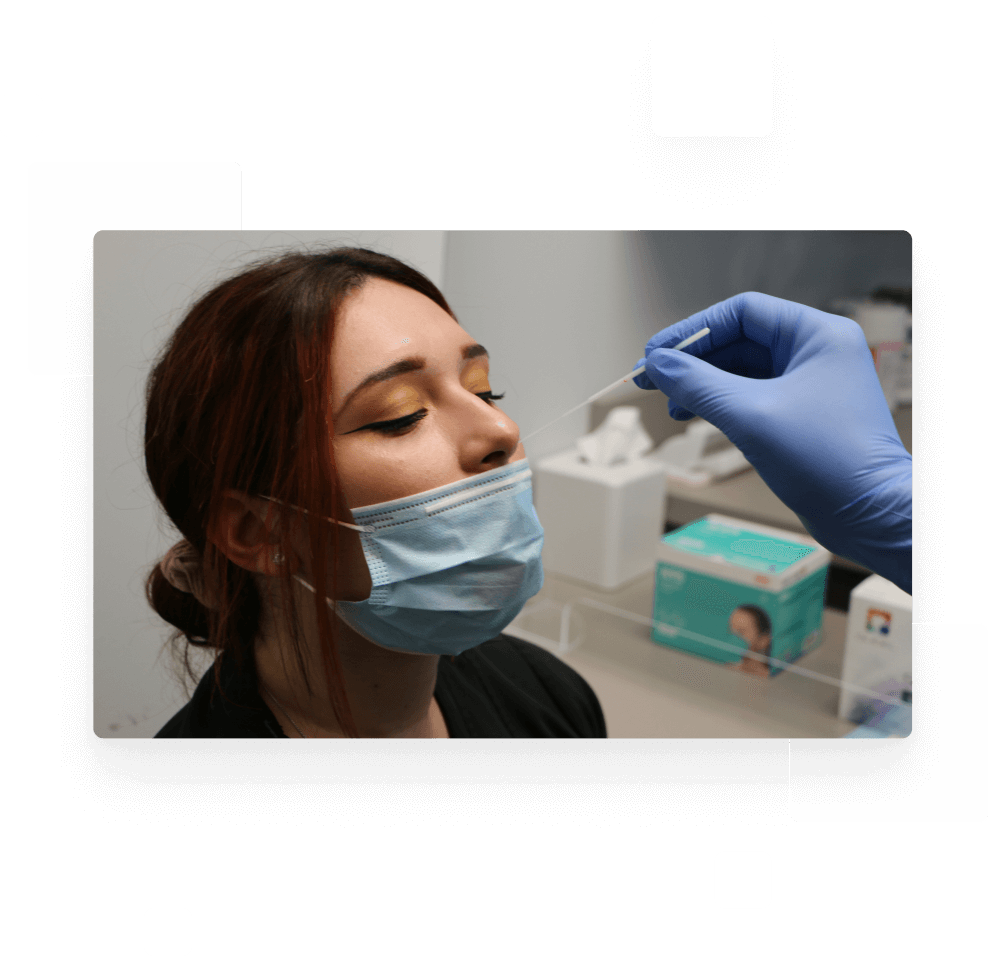
If you’re sexually active, getting reliable STD testing and treatment isn’t just about your health, it’s about the people you care about too. This clear, up-to-date guide breaks down when to test, which tests you may need, what results mean, and how treatment works. You’ll learn practical steps for protecting yourself and your partners, what to expect at a visit, and how to navigate costs and privacy without the stress. No judgment, just straightforward answers so you can make confident decisions today.
What STDs Are And Why Testing Matters
Common Infections You Should Know
Sexually transmitted infections (STIs), often called STDs, are infections that spread through sexual contact, including oral, vaginal, and anal sex, and sometimes through close skin-to-skin contact. Common ones include:
- Chlamydia and gonorrhea (bacterial: often no symptoms: highly treatable)
- Syphilis (bacterial: progresses in stages: curable)
- Trichomonas (parasitic: often mild or no symptoms)
- Herpes (HSV-1/HSV-2: viral: treatable, not curable)
- Human papillomavirus (HPV: viral: some types cause warts: some raise cancer risk)
- HIV (viral: manageable with treatment: PrEP/PEP help prevent)
- Hepatitis A/B/C (viral: some vaccine-preventable: some sexually transmissible)
Silent Infections And Long-Term Risks
Many STIs have no obvious symptoms. Untreated infections can lead to pelvic inflammatory disease, infertility, ectopic pregnancy, chronic pelvic pain, pregnancy complications, increased HIV transmission risk, and certain cancers (HPV-linked). Testing catches problems early, often before symptoms appear, so you can get treated promptly and protect partners.
When To Get Tested And Which Tests You Need
No Symptoms Vs. Symptoms
- No symptoms: Routine screening is smart if you’re sexually active, especially with new or multiple partners, or if you don’t always use barriers. Many clinics offer panels tailored to your risk.
- Symptoms: Get tested ASAP if you notice burning with urination, discharge, sores, rashes, pelvic or testicular pain, unusual bleeding, or sore throat after oral sex. Avoid sex until cleared.
Exposure Timing And Window Periods
Tests only turn positive after a window period. If you test too soon, you might get a false negative. General time frames:
- Chlamydia/Gonorrhea NAAT: most reliable ≥7 days post-exposure: many detect by 5–7 days.
- Syphilis (blood tests like RPR/treponemal): 3–6 weeks after exposure: earlier if symptoms.
- HIV: 4th-generation Ag/Ab blood test typically detects infections 18–45 days post-exposure: HIV RNA (NAT) 10–33 days: rapid fingerstick tests can take longer to turn positive.
- Trichomonas: 1–4 weeks for most NAATs.
- Hepatitis B/C: several weeks to months depending on assay.
If you test early, your provider may recommend a repeat test after the window period.
Recommended Screening By Age, Pregnancy, And Risk
- Under 25 and sexually active: annual chlamydia and gonorrhea screening (women and people assigned female at birth: consider for others based on risk).
- 25+ with new/multiple partners or risk factors: periodic chlamydia/gonorrhea screening.
- Men who have sex with men (MSM): at least annual screening for HIV, syphilis, chlamydia, and gonorrhea at all exposure sites (urine/urethra, rectal, pharyngeal): every 3–6 months if higher risk.
- Pregnancy: early testing for HIV, syphilis, hepatitis B, and chlamydia: gonorrhea if risk: consider repeat testing in the third trimester based on risk and local prevalence.
- HIV screening for everyone at least once: more often if at risk. Discuss PrEP if you’re at ongoing risk.
Where To Get Tested, Costs, And Privacy
Clinics, Primary Care, Community Sites, And At-Home Kits
You can test at primary care clinics, sexual health/STI clinics, urgent care, student health centers, and some pharmacies. Community organizations often provide free or low-cost testing. At-home kits (for HIV, chlamydia, gonorrhea, and more) can be convenient, make sure they’re FDA-cleared or CLIA-certified and include clinician follow-up for positives.
What Testing Typically Costs And Free/Low-Cost Options
Costs vary by setting and insurance. Typical ranges:
- Individual NAAT (chlamydia/gonorrhea): $50–$150 each
- Syphilis blood tests: $20–$100
- HIV tests: free to ~$100: rapid tests often low-cost
- Comprehensive panels: $150–$350+
Public health departments and community clinics frequently offer free or sliding-scale testing. Some labs run discounted packages. Ask about transparent pricing upfront.
Insurance, Confidentiality, And Minor Consent Rights
Most insurance plans cover recommended STI screening with minimal out-of-pocket costs, but copays or deductibles can apply. Under HIPAA, your results are confidential. If you’re on a parent’s plan, you can request confidential communications from your insurer. In many U.S. states, minors can consent to STI services without a parent, check your local laws. Positive results for certain STIs are reportable to health departments to support treatment and partner services: your name isn’t shared with partners without consent.
What To Expect During Testing
Sample Types (Urine, Swabs, Blood) And Preparation
- Urine (first-catch) for chlamydia/gonorrhea: avoid urinating 1 hour before.
- Swabs: vaginal, cervical, urethral, rectal, or throat swabs depending on exposure: self-swabs are common and accurate.
- Blood: for HIV, syphilis, hepatitis: sometimes a fingerstick rapid test.
- Physical exam: may be offered if you have symptoms.
You’ll answer a few private questions to match tests to your exposures. You can always say if any question feels too personal.
Accuracy, Turnaround Times, And Retesting Cadence
NAATs for chlamydia/gonorrhea are highly accurate: results often in 1–3 business days. Rapid HIV tests give results in ~20 minutes: lab-based 4th-gen HIV results usually return in 1–2 days. Syphilis testing can be same day to a few days. Retesting after treatment: chlamydia and gonorrhea, retest in about 3 months to check for reinfection: earlier test-of-cure is recommended during pregnancy and for pharyngeal gonorrhea. Trichomonas: women should be retested ~3 months after treatment.
How To Reduce Discomfort And Protect Your Privacy
- Ask for self-collected swabs when available.
- Breathe, relax pelvic muscles, and request lubricant for speculum exams.
- Bring earbuds or a friend for support.
- Clarify how you want results delivered (portal, phone, text) and who can access them.
- If you’re anxious, tell the clinician, they can explain step-by-step and move at your pace.
Understanding Your Results And Immediate Next Steps
Negative Results And When To Re-Test
A negative result is reassuring, but timing matters. If you tested before the end of a window period, plan a follow-up test. Re-test whenever you change partners, after a known exposure, or as part of routine screening based on your risk profile.
Positive Results, Confirmatory Testing, And Partner Notification
If a test is positive, don’t panic, most STIs are treatable, and many are curable. Some results require confirmation (e.g., initial HIV reactive tests are confirmed with supplemental assays). Start treatment promptly and avoid sex for 7 days after finishing antibiotics or until your clinician says you’re no longer infectious. Notify partners from the relevant exposure period so they can get treated: many areas allow confidential partner notification via health departments. Expedited partner therapy (EPT) for chlamydia and, in many states, gonorrhea lets partners receive treatment without an in-person visit, ask if it’s available.
Dealing With Stigma And Getting Support
STIs are common and say nothing about your character. If you’re feeling stressed, lean on trusted friends, a counselor, or support groups. Providers are trained to be nonjudgmental. Remember: seeking care is responsible and protective of everyone involved.
Treatment, Prevention, And Ongoing Care
Curable Bacterial STDs: Chlamydia, Gonorrhea, Syphilis
- Chlamydia: doxycycline 100 mg twice daily for 7 days is first-line for most adults. Avoid sex during treatment and for 7 days after the last dose: retest in ~3 months.
- Gonorrhea: ceftriaxone 500 mg IM once (1 g if ≥150 kg). Add doxycycline if chlamydia hasn’t been ruled out. Pharyngeal infections may require test-of-cure.
- Syphilis: benzathine penicillin G IM: dosing depends on stage. If you’re allergic, alternatives or desensitization may be recommended. Sexual partners should be evaluated.
Managing Viral STIs: Herpes, HPV, HIV
- Herpes (HSV): antiviral meds like acyclovir or valacyclovir shorten outbreaks and can be taken daily to reduce recurrences and transmission risk.
- HPV: no cure for the virus itself, but vaccines prevent many high-risk types. Warts can be treated (topical meds, cryotherapy). Cervical screening (Pap and/or hrHPV testing) detects precancerous changes early.
- HIV: modern antiretroviral therapy (ART) is highly effective, people who achieve and maintain an undetectable viral load do not transmit HIV sexually (U=U). Stay engaged in regular care.
Post-Exposure And Pre-Exposure Prophylaxis (PEP, PrEP)
- PEP: start within 72 hours of a potential HIV exposure (the sooner the better) and take for 28 days. Don’t wait, seek urgent care if needed.
- PrEP: a daily pill or long-acting injection that prevents HIV. It’s recommended if you have ongoing risk (e.g., a partner with HIV, multiple partners, or inconsistent condom use). Regular STI testing is part of PrEP care.
Vaccines, Condoms/Barriers, And Risk-Reduction Plans
- Vaccines: HPV vaccine (typically up to age 26: some adults 27–45 may benefit, discuss with your clinician). Hepatitis A and B vaccines protect against sexually transmissible hepatitis.
- Barriers: external and internal condoms, and dental dams reduce risk for HIV, chlamydia, gonorrhea, trichomonas, and partially for herpes and syphilis. Use water- or silicone-based lubricants to prevent breakage.
- Personalized plans: combine routine testing, safer sex strategies, PrEP if indicated, and honest conversations with partners about status and testing history.
Conclusion
Prioritizing STD testing and treatment is a smart, caring move for you and your partners. Know your windows, test at the right times, and act quickly on results. Most infections are straightforward to treat, and prevention has never been more effective, from vaccines to PrEP. If you’re unsure what you need, book a visit or order a reputable at-home kit today and take control of your sexual health.