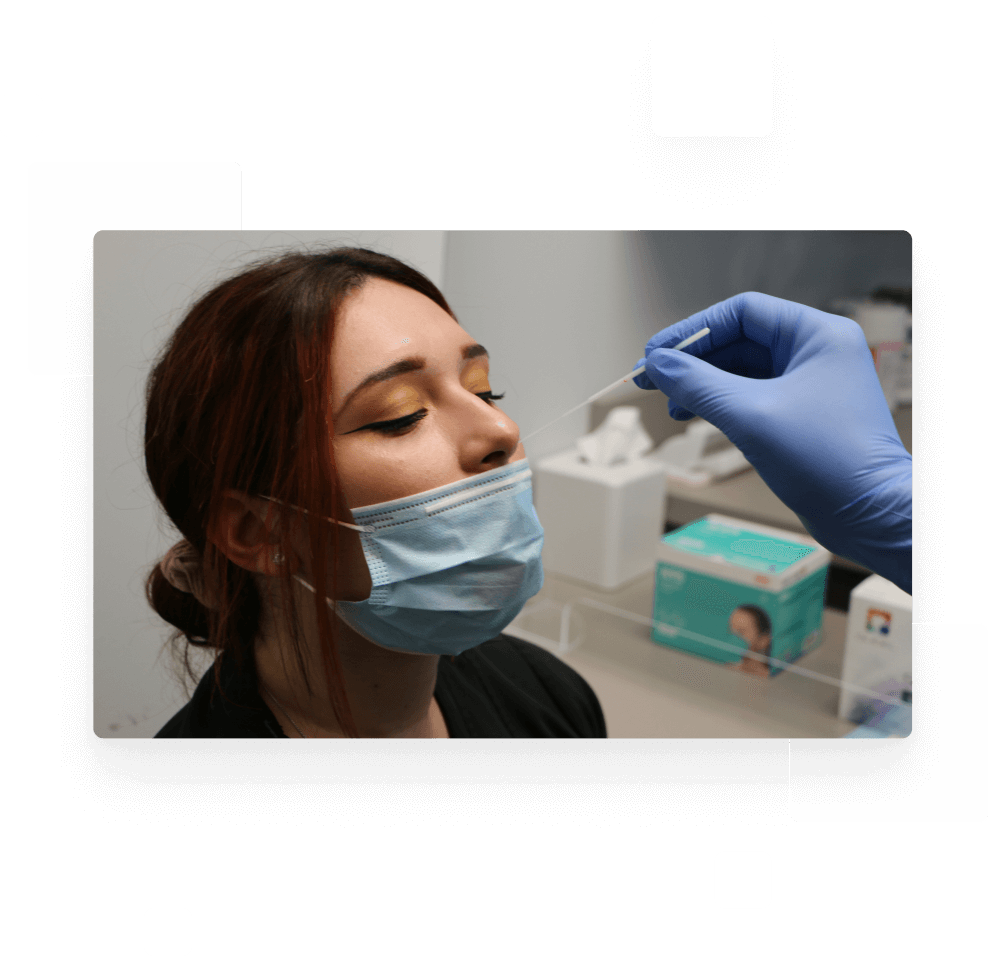
Staying healthy shouldn’t be the hardest part of your trip planning. With the right travel medicine & vaccinations, you can explore confidently, without last‑minute scrambles, confusing guidelines, or avoidable illness. This 2026 guide walks you through what to do, when to do it, and how to match your health prep to your destination and activities so you spend your time collecting stamps, not prescriptions.
Why Travel Medicine Matters And When To Start
Vaccines and preventive steps are your insurance against destination‑specific risks, think yellow fever in parts of Africa, typhoid in South Asia, or malaria where mosquitoes thrive. They also protect the people you visit and the community you return to.
Timeline: 6–8 Weeks Out, Plus Last-Minute Options
- 6–8 weeks before departure: Ideal. This window covers multi‑dose vaccine series (e.g., hepatitis B, Japanese encephalitis), allows time for your body to build immunity, and gives you options for malaria prophylaxis.
- 4 weeks: Still solid. You can update routine boosters, start hepatitis A, and complete typhoid.
- 1–2 weeks: Last‑minute care can still make a difference. Many vaccines offer meaningful protection within 7–14 days. You can also pick up travel meds, a tailored self‑care kit, and destination‑specific advice.
- 72 hours or less: It’s not too late for guidance on traveler’s diarrhea prevention, insect protection, water safety, altitude and motion plans, and in some cases single‑dose options (e.g., cholera in select scenarios) or required documentation.
Assessing Your Itinerary, Duration, And Health Profile
Your risk isn’t just about the country, it’s what you’ll do and for how long. Share:
- Exact route and season (urban vs. rural, rainy vs. dry)
- Activities (street food tours, hiking, animal exposure, freshwater swims, mass gatherings)
- Length of stay and accommodations
- Medical history, allergies, pregnancy plans, immune status, and medications
A personalized plan avoids overtreatment while covering true risks.
Vaccines You May Need: Required Vs. Recommended
Some vaccines are required for entry: others are recommended based on your exposure. Your clinician maps these to your trip specifics.
Entry Requirements: Yellow Fever, Polio, And Meningitis
- Yellow fever: Certain countries in sub‑Saharan Africa and tropical South America require an International Certificate of Vaccination or Prophylaxis (ICVP) for entry or transit from risk areas. One dose generally provides lifelong protection: some countries still enforce time‑limited rules, check current regulations.
- Polio: Travelers to or from regions with circulating poliovirus may need proof of a polio booster (IPV) within a specified timeframe (often 4–12 months before departure). This helps curb international spread.
- Meningococcal ACWY: Mandatory for Hajj and Umrah pilgrims (with certificate), and recommended for travelers to the African meningitis belt during dry season.
Routine Boosters To Update Before You Go
Don’t let a basic lapse derail your trip. Confirm:
- Tdap or Td booster (tetanus, diphtheria, pertussis)
- MMR (measles outbreaks continue globally)
- Varicella (chickenpox) if not immune
- Annual influenza (seasonal risks vary by hemisphere)
- COVID‑19 vaccination per current guidance
These routine updates prevent the most common, most disruptive infections.
Trip-Driven Vaccines: Hepatitis A/B, Typhoid, Rabies, Cholera, JEV, TBE
- Hepatitis A: Recommended for most international travel, food and water exposures are common.
- Hepatitis B: For longer stays, healthcare work, sexual exposure, tattoos/piercings, or potential medical care abroad. Accelerated series can be used when time is short.
- Typhoid: Oral live vaccine or single‑dose injectable. Prioritize if you’ll eat off the beaten path in South Asia, parts of Africa, or Latin America.
- Rabies (pre‑exposure): Consider for remote travel, caving, animal work, or limited access to prompt medical care. Modern guidance often uses a 2‑dose pre‑exposure series (days 0 and 7) for many travelers: you’ll still need post‑exposure doses if bitten.
- Cholera: For select itineraries with active transmission or humanitarian work. It’s not routine for typical tourist travel.
- Japanese encephalitis (JEV): For rural Asia travel, long stays, or evening outdoor activities near rice fields or pig farms.
- Tick‑borne encephalitis (TBE): For hiking/camping in forested parts of Central/Eastern/Northern Europe during tick season.
Region And Activity Risk Snapshot
Risk shifts with latitude, elevation, and what you do day to day. A few examples to calibrate your plan:
- Sub‑Saharan Africa: Yellow fever zones, malaria in many countries, typhoid and hepatitis A common. Dry‑season meningococcal risk in the “meningitis belt.”
- South and Southeast Asia: High rates of traveler’s diarrhea, typhoid, and hepatitis A: dengue and chikungunya in urban areas: JEV risk with rural exposure.
- Latin America and the Caribbean: Hepatitis A and traveler’s diarrhea are common: yellow fever pockets in parts of Brazil, Peru, Colombia: some malaria zones: dengue widely present.
- Middle East: Meningococcal requirement for Hajj/Umrah: foodborne risks vary: heat and dehydration are frequent issues.
- Europe: Generally low vaccine‑preventable risk, but TBE in forested regions for outdoor enthusiasts: measles outbreaks can occur.
Regions And Activities That Change Your Risk
- Urban luxury stay vs. rural homestay: Water and vector exposures differ dramatically.
- Street food tours: Ups your typhoid/diarrhea risk, hygiene strategy matters.
- Freshwater swimming: Schistosomiasis risk in parts of Africa: avoid or wear protective gear where applicable.
- Animal contact/volunteering: Elevates rabies risk: plan pre‑exposure vaccination when access to care is limited.
- High altitude trekking: Plan acclimatization and consider acetazolamide to prevent acute mountain sickness.
Medications And Non-Vaccine Prevention
Shots aren’t the whole story. Smart packing and daily habits often prevent the problems that derail trips.
Malaria Prophylaxis: Atovaquone-Proguanil, Doxycycline, Or Mefloquine
- Atovaquone‑proguanil: Daily, start 1–2 days before entering risk area, continue 7 days after leaving. Well‑tolerated: avoid in severe kidney disease.
- Doxycycline: Daily, start 1–2 days before, continue 4 weeks after. Also protects against some rickettsial infections: photosensitivity and GI upset are common.
- Mefloquine: Weekly, start 2 weeks before, continue 4 weeks after. Useful when daily pills are a struggle: screen for mood, seizure, or cardiac history due to side‑effect profile.
Choose based on destination resistance patterns, your medical history, and preferences. Combine meds with bite prevention, no pill is 100%.
Traveler’s Diarrhea: Prevention, Self-Treatment, And Antibiotic Stewardship
- Prevention: Prefer hot, freshly cooked foods: peel your own fruit: choose safe water (sealed bottles, boiling, or filters + disinfectants). Consider bismuth subsalicylate for short‑term prevention if appropriate.
- Self‑treatment: Oral rehydration salts, loperamide for non‑bloody diarrhea when you need to be on the move, and a destination‑appropriate standby antibiotic (often azithromycin).
- Stewardship: Skip routine antibiotic prophylaxis, it drives resistance and side effects. Use your standby only for moderate to severe illness (fever, severe cramps, blood in stool, or trip‑disrupting symptoms).
Other Preventive Strategies: Bites, Water Safety, Altitude, Motion, And Jet Lag
- Mosquito and tick bites: 20–30% DEET or 20% picaridin on exposed skin: permethrin‑treated clothing and bed nets: long sleeves/pants at dusk/dawn. Repellent goes on after sunscreen.
- Water safety: Use bottled/treated water for drinking and brushing teeth where risk is high: avoid ice of unknown origin.
- Altitude: Ascend gradually: consider acetazolamide if you can’t. Know red flags, worsening headache, vomiting, shortness of breath at rest.
- Motion sickness: Scopolamine patches or antihistamines (meclizine/dimenhydrinate). Test before travel to see how you respond.
- Jet lag: Shift your sleep schedule before departure, time bright light exposure at destination, and consider low‑dose melatonin (0.5–3 mg) at local bedtime for eastward travel.
Special Populations, Safety, And Documentation
Tailor your plan if you’re pregnant, traveling with kids, older, or immunocompromised. Safety and paperwork matter as much as the shots themselves.
Pregnancy, Kids, Older Adults, And Immunocompromised Travelers
- Pregnancy: Avoid live vaccines (e.g., yellow fever) unless risk is high and benefits outweigh risks: a medical waiver may be possible for entry requirements. Malaria prevention is critical, doxycycline is contraindicated: mefloquine is often preferred when indicated, with provider guidance. Emphasize food/water safety.
- Children: Dosing and schedules vary by age and weight. Typhoid and JEV options differ for younger kids: ensure car seats, sun protection, and ORS are part of the plan.
- Older adults: Check drug interactions, fall risk at altitude, and cardiac readiness for strenuous itineraries. Consider TBE if hiking in endemic Europe.
- Immunocompromised: Avoid live vaccines: inactivated options are safe but responses may be blunted. Meticulous bite avoidance and food/water hygiene are essential.
Live Vaccines, Interactions, Allergies, Certificates, And Insurance
- Live vaccines: If not given the same day, separate injectable live vaccines by at least 28 days. Document any prior severe reactions or allergies (e.g., to vaccine components, antibiotics, gelatin, eggs, or yeast) to guide choices.
- Medication interactions: Review anticoagulants, seizure meds, immunosuppressants, and travel meds for conflicts.
- Certificates: Keep your International Certificate of Vaccination or Prophylaxis (yellow card) for yellow fever and other entries: some visas require documentation of polio or meningococcal vaccines.
- Insurance: Confirm coverage for vaccines and travel visits: consider travel insurance with medical evacuation for remote destinations. Carry digital and paper copies of key documents.
What To Pack And When To Seek Care
Preparation turns minor issues into non‑events. Build a compact, destination‑specific kit and know your red flags.
Travel Health Kit Essentials And Red Flags To Act On
Pack:
- Prescriptions: Malaria prophylaxis, altitude or motion meds, standby antibiotic for traveler’s diarrhea if advised.
- Symptom relief: Oral rehydration salts, loperamide, bismuth subsalicylate, acetaminophen/ibuprofen, antihistamine, topical hydrocortisone.
- First aid: Adhesive bandages, blister care, antiseptic wipes, tweezers, digital thermometer.
- Protection: 20–30% DEET or 20% picaridin repellent, permethrin‑treated clothing, bed net (if needed), broad‑spectrum SPF 30+ sunscreen, lip balm, sunglasses, hat.
- Hygiene: Alcohol‑based sanitizer, travel soap, water purification tablets/filter (as appropriate).
- Documents: Copies of prescriptions, ICVP, emergency contacts, insurance with evacuation details.
Seek medical care urgently if you experience:
- Fever during or after travel to malaria areas (up to a year post‑trip, don’t wait)
- Bloody diarrhea, persistent vomiting, or signs of dehydration
- Severe headache, neck stiffness, confusion, chest pain, or difficulty breathing
- Animal bites or scratches (seek rabies evaluation immediately)
- Jaundice, dark urine, or severe abdominal pain
When in doubt, call your clinician or visit a reputable clinic, earlier is better.
Conclusion
Travel medicine & vaccinations let you say yes to the world, safely. Start 6–8 weeks out when you can: if it’s late, go anyway for targeted protection and practical prevention tips. Match vaccines and meds to your exact itinerary, lean on bite and food/water precautions, and carry the right documents and essentials. Thoughtful prep doesn’t take long, but it makes all the difference between a trip that’s merely memorable and one that’s truly worry‑free. Safe travels, and don’t forget to book your pre‑travel consult now, while flights are still cheaper than souvenirs.