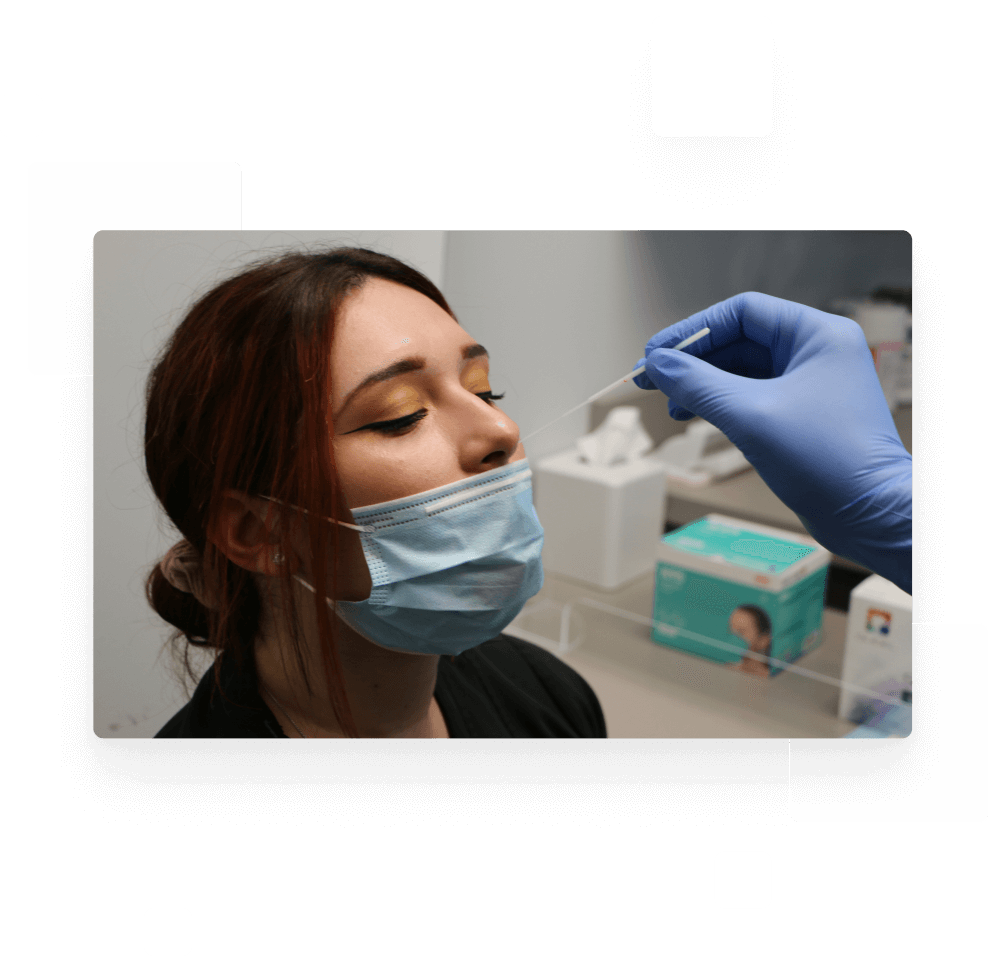
IV therapy and vitamin injections are everywhere in 2026, from wellness lounges to sports recovery rooms to medical clinics. You’re told they can rehydrate fast, boost energy, sharpen immunity, and even speed recovery after a long week. Some of that is true in the right context: some isn’t. Here’s a clear, no-nonsense guide so you can decide what’s worth your time, money, and veins.
How IV Therapy And Vitamin Injections Work
What’s In The Bag Or Syringe
An IV drip delivers fluids, electrolytes, and nutrients directly into your bloodstream. Typical blends include normal saline or lactated Ringer’s plus add‑ins like vitamin C, B‑complex, B12, magnesium, or sometimes medications (e.g., anti‑nausea). Vitamin injections are usually intramuscular (IM) shots, most commonly B12 (cyanocobalamin or methylcobalamin) or vitamin D, given in your arm or hip.
Protocols vary a lot by provider. In medical settings, ingredients are dosed to treat a specific condition (for example, IV iron for iron deficiency). In wellness settings, “menus” offer prebuilt drips (hydration, recovery, immunity) and à‑la‑carte add‑ons like glutathione or NAD+.
Absorption And Bioavailability Basics
- IV delivery yields essentially 100% bioavailability, nutrients bypass your gut and go straight to circulation.
- IM shots absorb more slowly than IV but typically achieve higher blood levels than standard oral doses.
- Oral supplements depend on gut absorption and transporters: some nutrients (like B12) have limited uptake orally, though high-dose oral B12 can still work for many.
Bottom line: IV and IM provide faster, more predictable levels. Whether that matters depends on your goal and whether you have a documented deficiency.
When These Therapies Are Clinically Indicated
There are evidence‑based medical uses:
- Moderate to severe dehydration (vomiting, heat illness, GI bugs) where oral fluids aren’t enough
- Confirmed vitamin/mineral deficiencies or malabsorption (e.g., B12 deficiency due to pernicious anemia or GI surgery: IV iron when oral iron fails)
- Certain acute care scenarios guided by clinicians (e.g., IV magnesium in hospitals for specific indications)
For general wellness (energy, “detox,” immunity), evidence is mixed. You might feel better temporarily from hydration or a placebo effect, but durable benefits are less certain unless a deficiency or medical need exists.
Claimed Benefits Versus What Science Says
Hydration, Energy, And Recovery
Hydration is the clearest win. If you’re volume‑depleted, IV fluids can relieve headache, dizziness, and fatigue quickly. For routine tiredness, B‑vitamin shots or drips can feel energizing, especially if you’re low on B12, but boosts in non‑deficient people are usually short‑lived.
Athletic recovery claims are popular. Rehydration and electrolytes help after heavy sweating, but most healthy athletes recover well with oral fluids, carbs, sleep, and time. IVs aren’t a performance cheat code.
Immunity, Skin, and “Detox” Claims
- Immunity: Vitamin C supports immune function, but for everyday colds, benefits are modest at best and similar with oral dosing. IV vitamin C for infections is being studied: routine use isn’t standard.
- Skin: Adequate hydration and correcting deficiencies can improve skin dullness. Dramatic “glow” shots are more marketing than medicine.
- Detox: Your liver and kidneys do the detoxing 24/7. No drip can “flush toxins” in a meaningful, generalized way. Hydration helps your body do its job, but that’s not the same as removing unspecified toxins.
What Evidence Supports, And What Doesn’t
Supported:
- Treating dehydration
- Correcting confirmed deficiencies (B12 injections work well: IV iron is effective for iron deficiency anemia when oral iron fails)
- Bypassing malabsorption after GI surgery or in certain GI diseases
Mixed/limited:
- Hangover relief (fluids and anti‑nausea meds can help symptoms: alcohol still needs time to clear)
- High‑dose IV vitamin C for general wellness or skin health, data are limited and not routine care
- NAD+ or glutathione drips for longevity, cognition, or “detox”, evidence remains preliminary
Not supported:
- Broad claims that IV therapy prevents illness in healthy people or replaces a balanced diet
If you’re chasing a specific outcome, ask for data, and consider whether a targeted oral plan or lifestyle tweak could get you similar results for less.
Safety, Risks, And Who Should Avoid
Common Side Effects And When To Seek Help
Mild effects include bruising, tenderness, a metallic taste, flushing, or feeling chilly. Temporary lightheadedness can happen, especially if you’re fasting. Seek medical help for:
- Increasing arm pain, swelling, or redness (possible infiltration or infection)
- Fever, hives, trouble breathing (possible allergic reaction)
- Chest pain, severe headache, or persistent vomiting
Interactions, Allergies, And Overdose Risks
- Allergies: Reactions may occur to vitamins, preservatives, or iron formulations. Anaphylaxis is rare but serious, your provider must be prepared.
- Interactions: High‑dose biotin can interfere with lab tests (including heart attack markers): tell your clinicians if you’ve received a “beauty” shot recently. Vitamin K can counter warfarin. Magnesium can intensify certain muscle‑relaxing meds.
- Overdose: Fat‑soluble vitamins (A, D, E, K) can accumulate: too much B6 may cause neuropathy: high niacin can injure the liver: mega‑dose vitamin C may raise kidney stone risk in predisposed people. Excessive fluids can aggravate heart or kidney problems.
Contraindications And Special Populations
- Avoid elective IVs if you have decompensated heart failure, advanced kidney disease, hemochromatosis (no iron, use caution with vitamin C), G6PD deficiency (avoid high‑dose IV vitamin C), or a history of severe infusion reactions.
- Pregnancy: Stick to medically indicated treatments and OB‑approved ingredients.
- Children: Wellness drips generally aren’t appropriate outside of medical care.
- Immunocompromised patients: Choose medical settings with strict sterile protocols.
IV Drips Vs. Vitamin Shots Vs. Oral Supplements
Onset Speed, Duration, And Convenience
- IV drips: Fastest onset (minutes). Sessions are 30–60+ minutes and require venous access.
- IM shots: Quick visit (often <10 minutes). Effects unfold over hours to days depending on the nutrient (e.g., B12 depot injections can last weeks).
- Oral: Most convenient for maintenance: onset is slower and depends on adherence and absorption.
Absorption And Dosing Differences
IV offers 100% bioavailability and precise titration. IM achieves high tissue levels without an IV line. Oral routes may need higher or divided doses to reach similar blood levels, but for many nutrients (like B12 and vitamin D), oral regimens work well when taken consistently.
Use Cases And Cost Considerations
- Best fits for IV: Dehydration, documented deficiencies with poor oral absorption, rapid repletion needs
- Best fits for IM: B12 deficiency maintenance, vitamin D repletion when oral isn’t tolerated
- Best fits for oral: Ongoing maintenance for most people
Typical pricing in 2026: wellness IVs $120–$300+, specialty infusions higher: vitamin shots $25–$120: oral supplements are lowest cost. Consider the tradeoff between speed and price, and whether you truly need a needle for your goal.
What To Expect Before, During, And After A Session
Pre-Session Screening And Preparation
You’ll complete a health questionnaire and discuss goals, meds, allergies, and conditions (heart, kidney, pregnancy). A clinician reviews whether IV therapy or a vitamin injection makes sense: labs may be recommended for suspected deficiencies (e.g., B12, ferritin, vitamin D, kidney function). Eat a light snack, hydrate, and wear sleeves that roll up easily.
Procedure Steps And Sterile Technique
Your provider confirms ingredients and doses, obtains consent, and opens supplies using aseptic technique. For IVs, they place a small catheter into a vein, secure it, and start the infusion on a pump. Vitals and comfort are monitored throughout. For IM shots, the skin is cleaned, the injection is given in a large muscle, and a small bandage is applied. Total time: about 10–60 minutes, depending on the service.
Aftercare, Side Effect Monitoring, And Follow-Up
You can usually resume normal activities right away. Keep the site clean and dry for several hours: expect minor soreness or a small bruise. Call if you notice spreading redness, warmth, fever, or worsening pain. For deficiency treatment, plan follow‑up and labs to confirm improvements and adjust dosing. For wellness goals, reassess whether you felt a meaningful benefit and how it compares to simpler options.
Choosing A Qualified Provider And Understanding Costs
Credentials, Setting, And Safety Protocols
Look for licensed clinicians (e.g., MD/DO/NP/PA/RN practicing within scope) who take a medical history, screen for contraindications, and use sterile technique with infusion pumps and crash‑cart readiness. Infusions should occur in a clean clinical environment with protocols for emergencies and medication verification.
Informed Consent, Label Transparency, And Labs
You should see exactly what’s in your bag or syringe, why it’s indicated, potential risks, and alternatives (including oral options). For deficiency treatment, labs before and after help prevent under‑ or overdosing. Ask about sourcing (pharmacy compounding standards) and expiration dates. If you’re on biotin or received a recent “beauty” shot, tell your lab team due to possible test interference.
Pricing, Packages, And Add-Ons, What’s Worth It
- Transparent pricing beats packages with vague promises. Be wary of hard sells.
- Add‑ons like glutathione, NAD+, or “detox” blends have limited data: prioritize treatments with a clear indication and measurable outcomes.
- Insurance may cover medically necessary infusions (like IV iron or B12 for documented deficiency) but usually not wellness drips. Clarify costs ahead of time and compare against oral alternatives.
Conclusion
IV therapy and vitamin injections can be genuinely helpful, especially for dehydration, malabsorption, and proven deficiencies. For general wellness, results range from a quick pick‑me‑up to no major change. Your smartest move in 2026: match the route to the goal, verify the need with labs when appropriate, and choose a qualified provider who’s transparent about ingredients, risks, and costs. If a simpler, cheaper option can get you there, take it: if you need rapid, targeted repletion, use the needle wisely.